
10 Benefits of Healthy Diet and Exercise for 2025
Combining diet and exercise is the key to unlocking your full potential. While powerful on their own, their true strength is revealed when they work together.
This combined approach isn't just about weight loss. It's about upgrading your entire life—from daily energy and mental clarity to long-term health and disease prevention.
Understanding the specific benefits of healthy diet and exercise is the first step. This guide dives deep into the 10 most impactful advantages. We'll show you how to combine specific nutrition with targeted workouts to reach your goals.
Whether you want to improve heart health, boost brain function, or sleep better, you'll find clear, actionable steps. Let's get started.
1. Master Your Weight and Prevent Obesity
Achieving a healthy weight is a primary goal for many. The combination of a nutritious diet and regular exercise is the most effective strategy for long-term success. This powerful duo helps you create a sustainable caloric balance and build lean muscle while reducing body fat.
One of the key benefits of a healthy diet and exercise is moving beyond temporary fixes to build a lasting lifestyle.
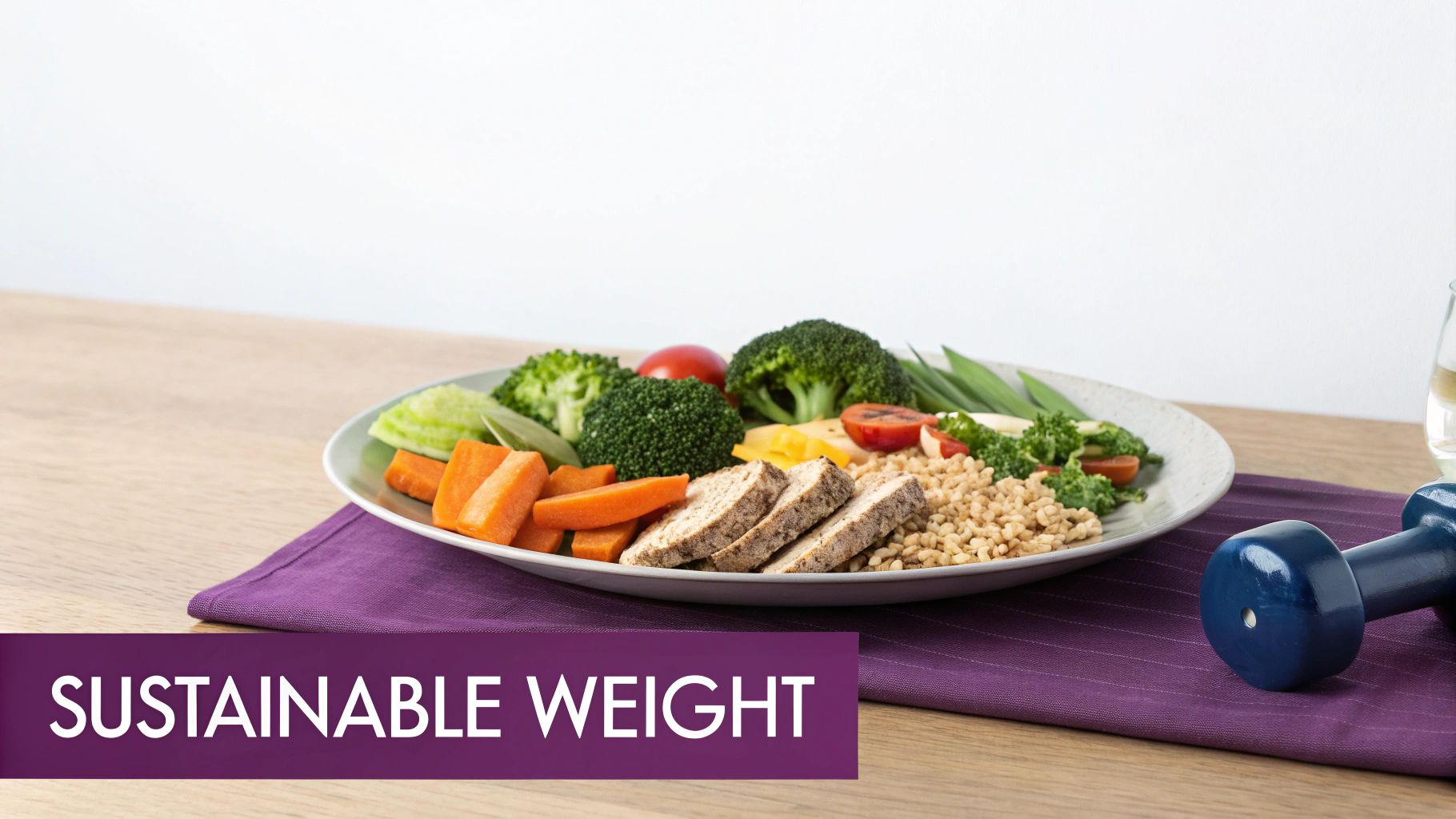
This approach is about fueling your body with nutrient-dense foods and moving it to build strength. The core principle is a calorie deficit, where you consume slightly fewer calories than you burn.
For a fun and engaging way to grasp this concept, check out The Complete Guide to a Calorie Deficit Coloring Book. It breaks down complex ideas into simple, visual lessons, making weight management feel less like a chore and more like an exciting journey. This book is a perfect companion for anyone starting their path to a healthier weight.
How to Implement Weight Management
Successfully managing your weight involves a few key, actionable steps that create a sustainable routine.
- Combine Cardio and Strength: Aim for 3-5 sessions per week mixing cardio (running, cycling) with strength training (weightlifting). This burns calories and builds metabolism-boosting muscle.
- Focus on Whole Foods: Prioritize unprocessed foods like fruits, vegetables, and lean proteins. They provide essential nutrients and keep you feeling full longer.
- Track Your Progress: To stay organized and motivated, use the Printable Food & Fitness Planner Bundle. It helps you monitor your food, exercise, and progress in one convenient place, giving you a clear view of your achievements.
2. Cardiovascular Health and Disease Prevention
Strengthening your heart is one of the most critical benefits of a healthy diet and exercise. Regular aerobic activity improves circulation and lowers blood pressure.
A heart-healthy diet rich in fiber and beneficial fats, like omega-3s, reduces harmful cholesterol and inflammation. This creates a powerful defense against heart disease and stroke.

This synergy is a proven strategy for drastically reducing the risk of hypertension and other cardiovascular conditions.
Studies show that lifestyle changes can often rival the effectiveness of medication. A Mediterranean diet paired with regular walking can reduce major cardiovascular events by approximately 30%.
How to Implement Heart-Healthy Habits
Adopting a lifestyle that protects your heart involves targeted, consistent actions in both your diet and your fitness routine.
- Prioritize Aerobic Activity: Aim for at least 150 minutes of moderate-intensity aerobic exercise, such as brisk walking or swimming, each week.
- Embrace Omega-3s and Fiber: Incorporate foods like salmon, walnuts, and flaxseeds to reduce inflammation. Soluble fiber from oats and beans helps lower bad cholesterol.
- Manage Sodium and Fats: Keep your sodium intake below 2,300 mg per day. Eliminate artificial trans fats and reduce saturated fats from red meat and full-fat dairy.
3. Mental Health and Mood Enhancement
The connection between physical activity, nutrition, and mental well-being is incredibly powerful. This combination acts as a natural antidepressant and anti-anxiety remedy by influencing your brain's chemistry.
Exercise stimulates the release of endorphins and serotonin, which elevate mood. A nutritious diet supplies the essential building blocks for these crucial neurotransmitters.

This synergy offers a proactive way to manage stress and reduce symptoms of depression.
Studies have shown that regular exercise can reduce the risk of depression by as much as 30%. By embracing this lifestyle, you are not just caring for your body, but actively fortifying your mind.
How to Implement for Mood Enhancement
Boosting your mental health through diet and exercise involves targeted, consistent habits that support optimal brain function.
- Schedule Morning Movement: Start your day with 20-30 minutes of aerobic activity. This can set a positive tone for the entire day.
- Fuel Your Brain: Incorporate foods rich in omega-3 fatty acids, like salmon and walnuts. Also, get enough B vitamins and magnesium from leafy greens and nuts.
- Combine Mindful Movement: Integrate practices like yoga or tai chi. These activities are particularly effective at reducing stress and calming the nervous system.
4. Type 2 Diabetes Prevention and Management
A healthy lifestyle is a powerful tool for preventing and managing type 2 diabetes. The combination of regular physical activity and a strategic diet enhances your body’s ability to manage blood sugar.
Exercise improves insulin sensitivity, while a balanced diet prevents sharp spikes in blood glucose. These combined efforts are a cornerstone of long-term metabolic health.
This approach focuses on stabilizing blood sugar naturally. Studies show that intensive lifestyle interventions can reduce the incidence of type 2 diabetes by 58% in high-risk individuals.
How to Implement Diabetes Prevention and Management
Successfully managing your blood sugar involves consistent, mindful habits that integrate seamlessly into your daily life.
- Move Consistently: Aim for at least 150 minutes of moderate exercise per week. Incorporate resistance training 2-3 times a week, as building muscle improves insulin sensitivity.
- Focus on Nutrient Quality: Prioritize low-glycemic foods like legumes and non-starchy vegetables. Pair carbohydrates with protein and healthy fats to slow glucose absorption. Understanding how to balance these elements is crucial; you can learn how to calculate your macros to optimize your meals.
- Monitor and Adapt: Regularly monitoring your blood sugar provides direct feedback. This allows you to make informed adjustments for better control.
5. Build Stronger Bones and Prevent Osteoporosis
Strong bones provide the essential framework for your body. The combined power of diet and exercise is your best defense against age-related bone loss.
Weight-bearing exercises stimulate bone-forming cells to build denser, stronger bone tissue. When paired with a diet rich in bone-building nutrients, you create the ideal environment for preventing conditions like osteoporosis.
This proactive approach isn't just for older adults. Building peak bone mass in your younger years significantly reduces fracture risk later in life.
How to Implement Bone-Strengthening Habits
Protecting your bone health involves integrating specific dietary and exercise strategies into your daily routine for long-term benefits.
- Engage in Weight-Bearing and Resistance Training: Aim for 3-4 weekly sessions of weight-bearing cardio like jogging or dancing. Add 2-3 sessions of resistance training, such as lifting weights.
- Prioritize Bone-Building Nutrients: Consume 1,000-1,200mg of calcium daily from sources like dairy and leafy greens. Pair this with adequate vitamin D for calcium absorption.
- Limit Bone-Depleting Substances: Be mindful of excessive sodium and caffeine, as both can increase calcium excretion.
6. Cancer Risk Reduction
One of the most profound benefits of a healthy diet and exercise is the significant reduction in the risk of developing certain types of cancer.
Consistent physical activity and nutrient-rich eating help maintain a healthy body weight, reduce chronic inflammation, regulate hormones, and improve immune function. All are critical factors in cancer prevention.
This proactive approach is backed by extensive research. Studies consistently link lifestyle choices to a 20-30% lower risk for cancers such as colon and breast cancer.
The evidence shows that your daily habits are a powerful tool for long-term disease prevention, putting you in control of your health.
How to Implement Cancer Risk Reduction Strategies
Incorporating specific, evidence-based habits into your routine is the most effective way to lower your cancer risk.
- Move with Purpose: Aim for at least 150 minutes of moderate-intensity activity (like brisk walking) or 75 minutes of vigorous activity (like running) each week.
- Embrace a Plant-Forward Diet: Fill your plate with fiber-rich whole grains, fruits, and vegetables. Minimize your consumption of processed foods and red meats.
- Maintain a Healthy Weight: Keeping your Body Mass Index (BMI) in the healthy range is a crucial step. A balanced diet and regular exercise are the cornerstone of this.
7. Cognitive Function and Dementia Prevention
Protecting your brain health is a significant long-term benefit of a healthy diet and exercise. This powerful lifestyle combination works to enhance cognitive function and reduce the risk of conditions like Alzheimer's and dementia.
Regular exercise boosts blood flow to the brain, encouraging the growth of new neurons. Paired with a brain-healthy diet rich in antioxidants and omega-3s, it creates an environment that supports cognitive health.
Studies show that participants who combined a healthy diet with regular physical activity had cognitive functions equivalent to someone 7.5 years younger.
How to Implement Brain Health Strategies
Integrating brain-protective habits into your daily life involves targeted nutrition and specific types of physical activity.
- Adopt a Brain-Healthy Diet: Prioritize leafy greens, berries, nuts, whole grains, and fatty fish like salmon.
- Mix Aerobic and Strength Training: Aim for at least 150 minutes of moderate aerobic exercise weekly. Add two or more days of resistance training to help produce BDNF, a protein crucial for neuron growth.
- Challenge Your Mind and Body: Combine physical exercise with cognitive challenges, such as learning a new dance routine or playing a sport that requires strategy.
8. Increased Energy and Improved Sleep Quality
A key benefit of a healthy diet and exercise is the dual enhancement of your daily energy and nightly rest.
This combination improves your body's energy production at a cellular level and regulates your natural sleep-wake cycle. Better sleep provides more energy for exercise, and exercise promotes deeper, more restorative sleep.
This allows you to achieve sustainable energy without relying on stimulants. Regular physical activity boosts mitochondrial function, making your body more efficient at producing energy.
How to Boost Energy and Enhance Sleep
Implementing strategic habits can significantly improve both your energy levels and sleep quality.
- Time Your Exercise: Aim for morning or early afternoon workouts. Avoid intense exercise within three hours of bedtime, as it can make it harder to fall asleep.
- Fuel for Recovery: Consume a balanced meal of complex carbs and lean protein after workouts. This replenishes glycogen stores and prevents energy crashes.
- Create a Sleep Sanctuary: Establish a consistent pre-sleep routine in a cool, dark, and quiet environment. Avoid screens for at least an hour before bed.
9. Immune Function Enhancement
Strengthening your body's natural defenses is a vital benefit of a healthy diet and exercise. This combination bolsters your immune system, making you less susceptible to infections.
A well-nourished body and regular physical activity promote the efficient circulation of immune cells and reduce chronic inflammation.
This is about creating an internal environment where your immune system can thrive. Moderate, consistent exercise primes your immune cells to be more effective.
When paired with a diet rich in nutrients like zinc, selenium, and vitamin C, you provide the building blocks for robust immune function.
How to Implement Immune Support
Boosting your immune system involves targeted, consistent habits that support your body's defense mechanisms.
- Practice Moderate Exercise: Aim for at least 150 minutes of moderate activity, like brisk walking, per week. Avoid overtraining, and include rest days for recovery.
- Focus on Micronutrient-Rich Foods: Fuel your body with foods high in immune-supporting vitamins. Include citrus fruits for vitamin C; pumpkin seeds for zinc; and Brazil nuts for selenium.
- Prioritize Sleep and Stress Management: Get 7-9 hours of quality sleep per night. Use exercise and mindfulness to manage stress, as high cortisol can weaken your immune response.
10. Longevity and Increased Lifespan
Extending your lifespan is one of the most profound benefits of a healthy diet and exercise. This combination enhances your "healthspan"—the period of life spent in good health.
By adopting these habits, you can influence key aging pathways, reduce oxidative stress, and prevent chronic diseases that accelerate aging.
Research into "Blue Zones," regions where people live exceptionally long, healthy lives, reveals common themes: regular physical activity and a plant-forward diet.
These communities show that lifestyle choices are the most significant factors in determining longevity. To help you track your journey toward a longer, healthier life, the Printable Food & Fitness Planner Bundle is an invaluable tool. It allows you to log your meals, plan workouts, and set goals, keeping you consistent and motivated on your path to longevity.
How to Cultivate Longevity
Building a lifestyle that promotes a long and healthy life involves integrating simple, sustainable practices into your daily routine.
- Adopt a Blue Zone Diet: Emphasize whole, plant-based foods like vegetables, fruits, and legumes. These diets are nutrient-dense and linked to longer lifespans.
- Move Naturally and Consistently: Incorporate varied physical activity into your week. Focus on sustainability over intensity; a daily walk can be incredibly beneficial.
- Prioritize Rest and Recovery: Aim for 7-9 hours of quality sleep per night. Sleep is critical for cellular repair and reducing inflammation.
Top 10 Health Benefits Comparison
| Item | Implementation Complexity (🔄) | Resource Requirements (⚡) | Expected Outcomes (⭐📊) | Ideal Use Cases (💡) | Key Advantages (⭐) |
|---|---|---|---|---|---|
| Weight Management and Obesity Prevention | Medium 🔄 — sustained behavior change, occasional professional guidance | Moderate ⚡ — time, tracking tools, basic equipment | ⭐⭐⭐ 📊 Sustainable weight loss, improved body composition; months to notice | 💡 Individuals seeking weight loss or BMI maintenance | ⭐ Lowers T2D/CVD risk, improves mobility and mental health |
| Cardiovascular Health and Disease Prevention | Medium–High 🔄 — long-term adherence; may need medical clearance | Moderate ⚡ — regular aerobic exercise, dietary changes, monitoring | ⭐⭐⭐⭐ 📊 ~30–35% reduced CVD risk; improved BP and lipids over months–years | 💡 People with CVD risk factors or aiming for prevention | ⭐ Large mortality/morbidity impact; improves circulation |
| Mental Health and Mood Enhancement | Low–Medium 🔄 — regular practice; initial motivation barrier | Low ⚡ — minimal equipment; can be social/group-based | ⭐⭐⭐ 📊 Immediate mood boosts; reduced anxiety/depression with regular activity | 💡 Mild–moderate depression, stress reduction, daily mood support | ⭐ Rapid non-pharmacologic mood improvement and resilience |
| Type 2 Diabetes Prevention and Management | Medium–High 🔄 — sustained diet/exercise and monitoring | Moderate ⚡ — meal planning, regular exercise, possible glucose monitoring | ⭐⭐⭐⭐ 📊 Up to 58% risk reduction in at-risk individuals; improved HbA1c | 💡 Prediabetes or early T2D aiming for remission/medication reduction | ⭐ Strong evidence for prevention and metabolic control |
| Bone Health and Osteoporosis Prevention | Medium 🔄 — consistent weight-bearing and resistance training | Low–Moderate ⚡ — exercise, calcium/vitamin D intake, occasional equipment | ⭐⭐ 📊 Increased BMD over months; ~30% fewer osteoporotic fractures | 💡 Older adults, post-menopausal women, fracture-risk populations | ⭐ Cost-effective fracture prevention; better strength and balance |
| Cancer Risk Reduction | Medium 🔄 — long-term lifestyle adherence across diet/activity | Low–Moderate ⚡ — dietary shifts, regular activity | ⭐⭐ 📊 20–30% risk reduction for several cancers; adjunct to screening | 💡 Population-level prevention and cancer survivorship support | ⭐ Non-invasive prevention with broad health co-benefits |
| Cognitive Function and Dementia Prevention | Medium 🔄 — multimodal (exercise, diet, cognitive tasks) over years | Moderate ⚡ — regular aerobic/resistance exercise, diet, mental training | ⭐⭐⭐ 📊 ~30–35% reduced dementia risk; improved memory and executive function | 💡 Middle-aged/older adults aiming to preserve cognition | ⭐ Delays cognitive decline; enhances neuroplasticity and reserve |
| Increased Energy and Improved Sleep Quality | Low–Medium 🔄 — timing and consistency important | Low ⚡ — scheduling and modest nutrition adjustments | ⭐⭐⭐ 📊 Increased daytime energy and deeper sleep within weeks | 💡 People with fatigue or suboptimal sleep seeking non-drug solutions | ⭐ Better alertness, recovery, and reduced stimulant dependence |
| Immune Function Enhancement | Low–Medium 🔄 — moderate regular exercise; avoid overtraining | Low ⚡ — balanced diet with micronutrients, consistent activity | ⭐⭐ 📊 Fewer infections (≈40–50%); faster recovery and improved vaccine response | 💡 Those prone to infections or aiming to boost vaccine efficacy | ⭐ Enhances immune surveillance and reduces inflammation |
| Longevity and Increased Lifespan | High 🔄 — lifetime, multi-domain commitment | Moderate ⚡ — sustained diet, varied exercise, social and sleep habits | ⭐⭐⭐⭐ 📊 7–14 year average lifespan extension with long-term adherence | 💡 Individuals focused on maximizing healthspan and lifespan | ⭐ Broad protection against chronic diseases; better late-life function |
Your Journey Starts Now: One Habit at a Time
We've explored the profound benefits of healthy diet and exercise. From strengthening your heart to sharpening your mind, the evidence is clear. A commitment to nutritious food and regular movement is a direct investment in a longer, more vibrant life.
Each benefit is interconnected. A positive change in one area creates a ripple effect, amplifying improvements across your entire well-being. This isn't about perfection. It's about progress and consistency.
Turning Knowledge into Action
The path forward is simple. Focus on adopting one manageable habit this week. Your journey begins with a small, deliberate choice.
Consider these starting points:
- For Mental Clarity: Swap 30 minutes of screen time for a brisk walk.
- For Heart Health: Replace one processed snack with a piece of fruit or nuts.
- For Better Sleep: Introduce a 15-minute stretching routine before bed.
Choosing one action and sticking with it builds confidence. Remember, the most effective plan is the one you can sustain. For more tips, check out the Diet & Exercise YouTube channel.
The Power of Incremental Change
The true magic lies in the compounding effect of small habits. Daily walks add up. Healthy snack swaps eliminate empty calories. These incremental steps, repeated consistently, sculpt a lifestyle defined by health and vitality.
You are building a foundation for long-term success. Your future self will thank you for the choices you make today.
Ready to equip yourself for success? Diet Exercise Shop provides high-quality tools to support your active lifestyle. Our Printable Food & Fitness Planner Bundle helps you stay organized, while The Complete Guide to a Calorie Deficit Coloring Book makes learning fun and effective. Visit our shop to find the perfect tools to help you unlock all the amazing benefits of a healthy diet and exercise.