
What is a Clean Eating Diet? A Beginner's Guide
You’ve probably heard the term "clean eating" tossed around, but what does it actually mean? It’s less of a diet and more of a lifestyle choice.
At its heart, clean eating is all about choosing whole, minimally processed foods that are as close to their natural state as you can get.
Think fresh fruits and vegetables, lean proteins, and whole grains. The idea is to steer clear of foods loaded with artificial additives, refined sugars, and other ingredients you can’t pronounce.
This approach isn't about perfection. It’s about being mindful of what you're putting into your body and combining it with effective exercise for your fitness goals.
Unpacking the Clean Eating Philosophy
Let’s get to the core of it. Clean eating is simply about focusing on nourishing, wholesome foods. This means filling your grocery cart with vibrant, natural items that grew in the ground or on a tree.
This mindset shifts your focus from obsessively counting calories to the quality of the food itself. It’s about making smart, consistent swaps.
For instance, you might trade sugary breakfast cereal for a warm bowl of steel-cut oats topped with fresh berries. Or you could skip the pre-packaged frozen dinner in favor of grilled chicken and steamed veggies. These small changes build a healthier foundation.
This concept map helps visualize the main idea, showing which foods to embrace and which to limit.
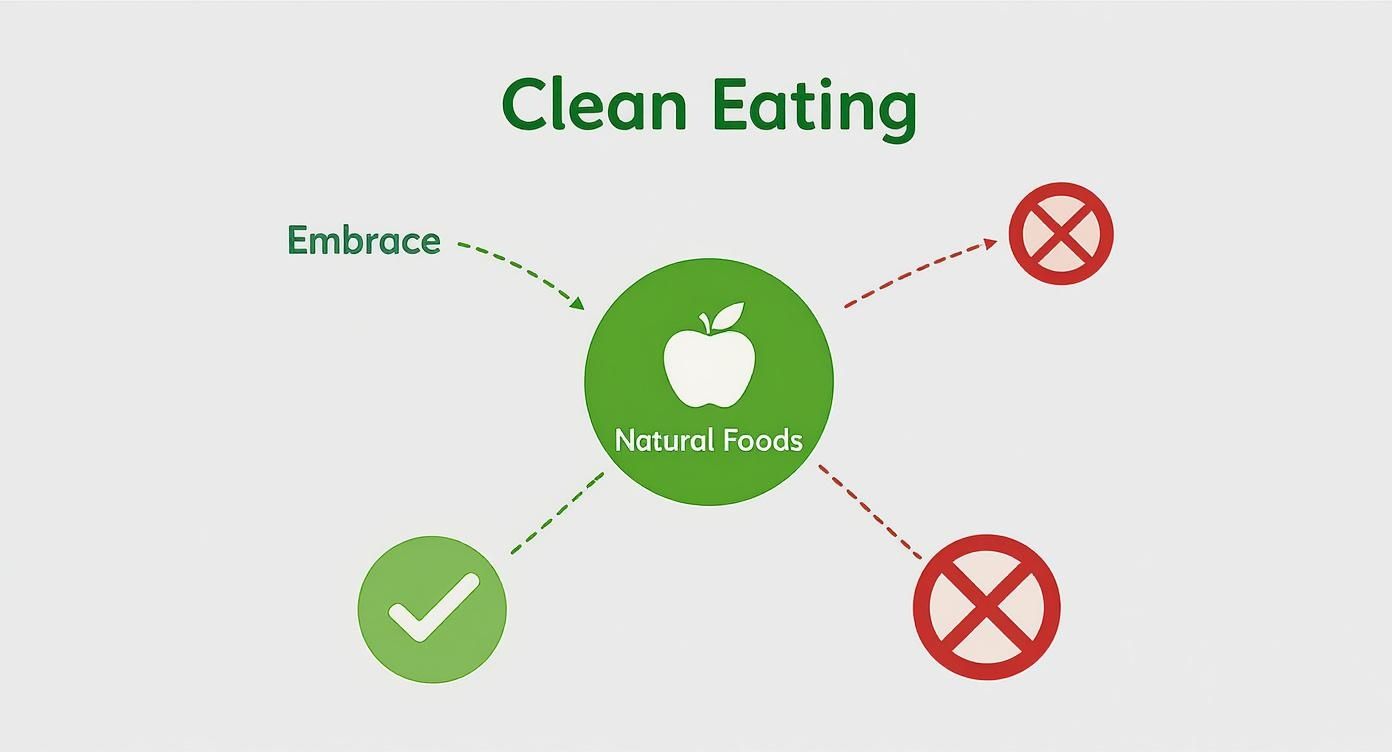
As you can see, the map clearly separates whole, natural foods from their highly processed counterparts, making your food choices much simpler.
The Goal of Clean Eating
The main goal is to give your body the best nutrition possible to fuel both daily life and your workouts. Heavily processed foods are often packed with synthetic ingredients, preservatives, and unhealthy fats.
Your body performs best when it's fueled by nutrient-dense foods that deliver essential vitamins, minerals, and clean energy.
If you’re not sure how to spot these ingredients in packaged foods, a great place to start is our guide on how to read nutrition labels.
"A clean eating approach nourishes your body with plentiful vitamins, minerals, high-quality protein, and healthy fats, which can improve heart and brain health, assist with weight management, and increase energy levels."
This approach is also incredibly flexible. It adapts easily to almost any dietary preference, whether you're vegan, paleo, or gluten-free. For a deeper dive into the philosophy, you might find this resource helpful: What Is Clean Eating: A Simple Guide.
Clean Eating Foods What to Embrace and What to Limit
To make things even clearer, here’s a quick comparison table. Think of it as a handy cheat sheet for your next trip to the grocery store.
| Food Category | Foods to Embrace | Foods to Limit or Avoid |
|---|---|---|
| Proteins | Lean meats (chicken, turkey), fish (salmon, tuna), eggs, legumes (beans, lentils), tofu, tempeh | Processed meats (bacon, sausage), fried foods, deli meats with nitrates |
| Carbohydrates | Whole grains (quinoa, brown rice, oats), sweet potatoes, starchy vegetables (squash, corn) | Refined grains (white bread, pasta), sugary cereals, pastries, crackers |
| Fruits & Vegetables | All fresh or frozen fruits and vegetables | Canned fruits in heavy syrup, fruit juices with added sugar, vegetables in creamy sauces |
| Fats | Avocados, nuts, seeds, olive oil, coconut oil | Trans fats (margarine, fried foods), refined vegetable oils (canola, soybean), processed dressings |
| Dairy & Alternatives | Plain Greek yogurt, milk, kefir, unsweetened almond or soy milk | Flavored yogurts with added sugar, processed cheese slices, sweetened dairy products |
| Beverages | Water, herbal tea, black coffee, unsweetened sparkling water | Soda, sugary fruit juices, energy drinks, sweetened coffee drinks |
| Sweeteners | Minimal amounts of natural sweeteners like honey, maple syrup, or stevia | Refined sugar, high-fructose corn syrup, artificial sweeteners |
This table isn't about creating a "good" vs. "bad" food list. Instead, it’s a guide to help you prioritize foods that will make you feel your best.
The Five Core Principles of Clean Eating
Forget rigid rules. Clean eating is a mindset guided by five simple principles. Think of them as your North Star for making healthier choices every day.
1. Choose Whole Foods First
This is the cornerstone of clean eating. Choose foods that look as close as possible to how they came from nature. It’s the difference between a whole apple and apple-flavored fruit snacks.
Whole foods are what your body is designed to run on—they're loaded with vitamins, minerals, and fiber. Building your meals around these ingredients is a simple but effective habit.
2. Read and Understand Labels
When you do buy packaged food, become a label detective. Many foods marketed as "healthy" hide sugars, sodium, and artificial additives.
A good rule of thumb? If the ingredient list is long and filled with words you can't pronounce, it's probably not the cleanest choice. Look for products with short, recognizable ingredient lists.
3. Limit Highly Processed Foods
This principle flows from the first two. Processed foods have been changed from their natural state, often stripping out nutrients while adding unhealthy fats, sugars, and preservatives.
Clean eating doesn't mean you have to avoid all processing. Minimally processed foods like canned beans or frozen vegetables are fine. The focus is on cutting back on heavily processed items.
4. Stay Properly Hydrated
You can't have a healthy lifestyle without proper hydration. Water is crucial for everything from digestion to energy levels. It's common to mistake thirst for hunger.
Make it a goal to drink plenty of water. A great tool is our Smart Stainless Steel Water Bottle, which helps you track your intake and ensures you have water on hand for your workouts.
5. Tune In to Your Body
Clean eating is about reconnecting with your body's signals. It’s about eating when you're hungry and stopping when you feel satisfied, not stuffed.
This is often called mindful eating. It's a powerful way to prevent overeating and build a healthier relationship with food.
For more tips on combining mindful eating with movement, check out the Diet & Exercise YouTube channel for routines that complement this lifestyle.
The Real-World Payoffs of Eating Clean
Switching to a clean eating lifestyle is an investment in your long-term health. When you focus on nutrient-packed foods, you give your body the premium fuel it needs.
One of the first things people notice is a major energy boost. Whole foods deliver a steady, reliable source of fuel, helping you say goodbye to that mid-afternoon slump.
How Your Body Responds
Your digestive system will thank you. Foods high in fiber—like fruits, veggies, and whole grains—are fantastic for keeping things regular and supporting a healthy gut. This often means less bloating.
You might see improvements in the mirror, too. The vitamins, minerals, and healthy fats in whole foods can build stronger hair and nails and lead to a clearer complexion.
A clean eating diet can improve heart and brain health, assist with weight management, build a stronger immune system, and increase energy levels by nourishing your body with plentiful vitamins, minerals, and healthy fats.
Of course, a great diet works even better when paired with regular exercise. Clean foods provide the energy for solid workouts, and exercise helps your body use those nutrients. For routines that sync perfectly with this lifestyle, the Diet & Exercise YouTube channel is a great resource.
A Sharper Mind and Brighter Mood
The perks aren't just physical. What you eat has a direct line to your brain function. Cutting down on refined sugars and artificial additives can sharpen your focus.
Many people also discover a more stable, positive outlook. Omega-3 fatty acids, found in foods like fish and nuts, support brain health and can help you feel more emotionally balanced.
A positive mindset is your best friend on any fitness journey. To help you stay relaxed and focused, consider our Inspirational Fitness Coloring Book. It's a wonderful way to practice mindfulness and reinforce your commitment to a healthier you.
Your First Week of Clean Eating Made Simple
Jumping into a new way of eating can feel overwhelming, but it doesn’t have to be. We’ve put together a simple meal plan for your first week. Think of it as a helpful guide, not a strict set of rules.
The idea is to make small, smart choices you can stick with. This plan uses everyday ingredients to build satisfying, nutrient-packed meals.
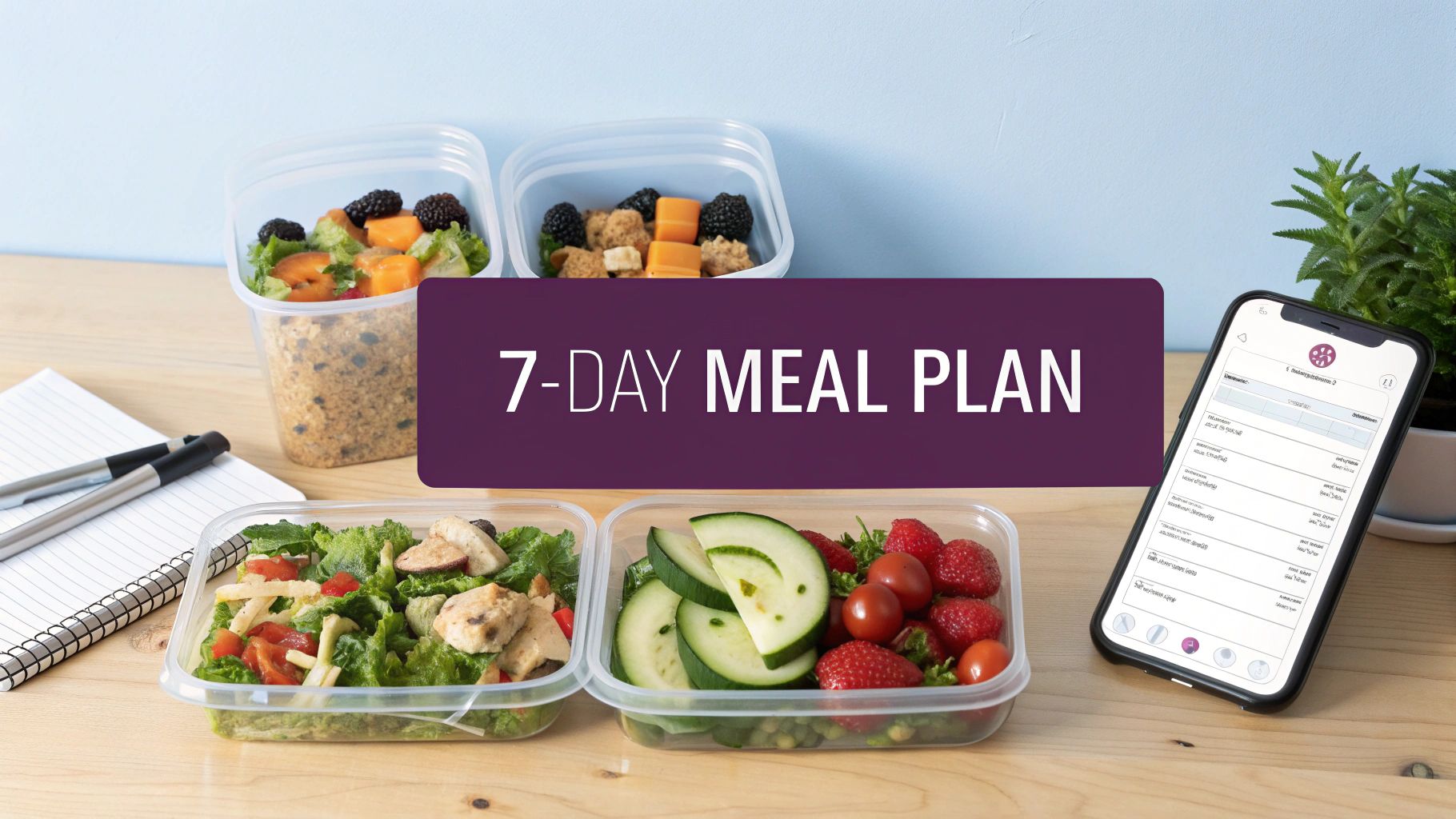
A Sample 7-Day Clean Eating Meal Plan
Here’s what a week of clean eating can look like. Feel free to swap days or substitute ingredients based on your preferences.
| Day | Breakfast | Lunch | Dinner | Snack |
|---|---|---|---|---|
| Monday | Oatmeal with fresh berries and a sprinkle of chia seeds | Quinoa salad with chickpeas, cucumber, and lemon-tahini dressing | Baked salmon with roasted asparagus and sweet potato | An apple with a handful of almonds |
| Tuesday | Scrambled eggs with spinach and a side of whole-grain toast | Leftover baked salmon and quinoa salad | Chicken stir-fry with brown rice and a mix of colorful bell peppers | Plain Greek yogurt with a drizzle of honey |
| Wednesday | Greek yogurt parfait with granola and sliced peaches | Lentil soup with a side of mixed greens salad | Turkey meatballs over zucchini noodles with marinara sauce | A pear and a small piece of dark chocolate |
| Thursday | Smoothie with spinach, banana, almond milk, and protein powder | Leftover turkey meatballs and zucchini noodles | Grilled chicken breast with a large salad of mixed greens, tomatoes, and avocado | Baby carrots with hummus |
| Friday | Whole-grain toast with avocado and a sprinkle of red pepper flakes | Tuna salad (made with Greek yogurt) in lettuce wraps | Homemade black bean burgers on whole-wheat buns with a side of steamed green beans | A handful of walnuts and berries |
| Saturday | Buckwheat pancakes topped with fresh fruit and a little maple syrup | Large salad with grilled shrimp, avocado, corn, and a light vinaigrette | Lean ground beef stir-fry with broccoli and quinoa | Celery sticks with natural peanut butter |
| Sunday | Omelet with mushrooms, onions, and bell peppers | Leftover beef and broccoli stir-fry | Roasted chicken with a side of Brussels sprouts and brown rice | A hard-boiled egg |
This is just a template. After a week, you'll have a better feel for the kinds of meals that work for you, making it easier to continue the journey.
The Power of Meal Prepping
The secret weapon for sticking to any healthy eating plan is preparation. Meal prepping—preparing meals ahead of time—is a game-changer. It saves time and keeps you from grabbing unhealthy options when you're tired and hungry.
For tips on getting started without breaking the bank, check out our guide on how to meal plan on a budget.
Having the right gear helps, too. Our 2-Compartment Glass Meal Prep Containers are perfect for portioning meals, keeping them fresh, and making grab-and-go lunches effortless. These containers are a must-have for anyone serious about combining diet and exercise goals.
"By planning your meals in advance, you remove the guesswork and decision fatigue from your week, setting yourself up for consistent success."
Think of this first week as a test drive. Discover what you love, and soon, preparing clean foods will feel like second nature.
How Clean Eating Helps Heal the Planet
The food you choose has an impact beyond your own body. While clean eating is an act of self-care, it's also a powerful way to care for the planet.
At its heart, clean eating prioritizes whole, minimally processed, and plant-forward foods. This approach aligns perfectly with creating a more sustainable future.
Reducing Your Carbon Footprint One Meal at a Time
Think about the journey of a frozen pizza versus a fresh head of broccoli. Highly processed foods demand huge amounts of energy, water, and resources for manufacturing and transportation.
By choosing local and seasonal produce, you slash the "food miles" your meals travel. This cuts down on transportation emissions and supports local farmers.
This move toward more plant-centric meals has a massive ripple effect. Research shows that plant-focused diets could cut greenhouse gas emissions from agriculture by over 50%.
Supporting Sustainable Agriculture
Clean eating naturally guides us away from industrial agriculture, which often degrades soil and pollutes waterways. Instead, it champions farming methods that work in harmony with nature.
Every time you fill your shopping cart with whole foods, you're casting a vote for a healthier food system.
Adopting a clean eating lifestyle is a win-win situation. It nourishes your body from the inside out while simultaneously contributing to a healthier, more resilient planet.
You can take this philosophy a step further in your own home. A good guide to sustainable kitchen products can help you reduce your environmental footprint even more.
Let's Bust Some Common Clean Eating Myths
Let's clear the air. 'Clean eating' often gets a bad rap, conjuring images of expensive groceries and a demand for perfection. That's not the reality.
Clean eating is far more flexible and achievable than most people believe. It's about making smarter choices, not living a restrictive lifestyle.
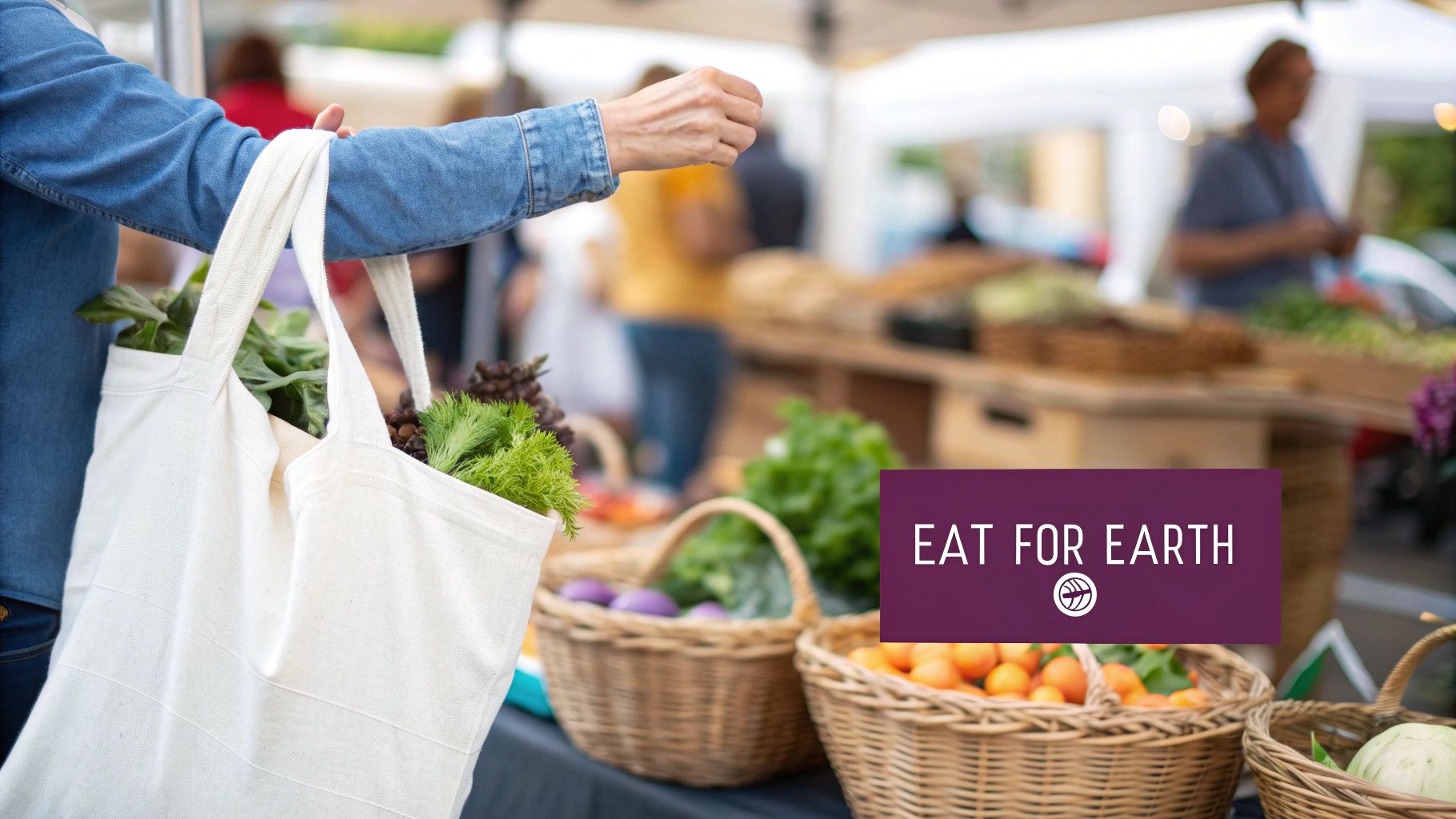
One of the biggest hurdles is the perceived cost. You absolutely can eat clean on a budget. The trick is to shop smart.
Focus on buying produce that's in season—it’s almost always cheaper and tastes better. And don't shy away from the freezer aisle! Frozen fruits and veggies are picked at their peak and are a fantastic, budget-friendly option.
How to Eat Clean When You're Crunched for Time
"I just don't have the time." We've all been there. This is where meal prep can completely change the game. You don’t need to spend your entire Sunday in the kitchen.
Setting aside a couple of hours to wash and chop veggies, cook quinoa, or grill chicken can save you from the weeknight scramble.
Here are a few practical tips:
- Try one-pan wonders: Roasting your protein and vegetables on a single sheet pan is simple, delicious, and means less cleanup.
- Cook staples in bulk: Making larger portions of brown rice or lentils means you have a healthy base ready for several meals.
- Keep things simple: A clean meal doesn't have to be a gourmet creation. Think big salads, hearty soups, or an omelet packed with veggies.
The golden rule here is progress, not perfection. Clean eating is a flexible approach. It’s not a rigid diet where one "bad" meal ruins everything.
So, if you have a day that doesn't go according to plan, shake it off. Get right back on track with your next meal. This balanced mindset makes it a sustainable way to eat for the long haul.
Got Questions About Clean Eating? We've Got Answers.
Jumping into a new way of eating is bound to bring up a few questions. Let's tackle some of the most common ones.
Can I Still Go Out to Eat?
Of course! A healthy lifestyle shouldn't mean giving up your social life. The trick is to become a savvy menu navigator.
Look for words like "grilled," "steamed," or "baked" instead of "fried." Don't be shy about asking for small changes, like requesting dressing on the side or swapping fries for a salad.
What Do I Do When a Sugar Craving Hits?
Sugar cravings are completely normal. Instead of fighting them, try redirecting them.
A piece of fresh fruit or a single square of high-quality dark chocolate (70% cacao or more) can often do the trick. Staying well-hydrated is also one of the most underrated ways to keep cravings in check.
For a deeper dive into kicking that sugar habit, the Diet & Exercise YouTube channel has fantastic videos with practical advice for combining diet and exercise habits to achieve your goals.
Does "Clean Eating" Just Mean Buying Everything Organic?
That's a great question. The answer is no, not necessarily. While organic foods are a wonderful fit for a clean eating approach, they aren't a strict requirement.
The heart of clean eating is focusing on whole, minimally processed foods. You can eat clean with conventional produce, lean proteins, and whole grains. The key is choosing the form of the food—an apple over apple juice, grilled chicken over chicken nuggets.
Here at Diet & Exercise, we know that a healthy mindset is just as important as a healthy diet. To help you relax and stay inspired, take a look at our Inspirational Fitness Coloring Book—it's a perfect way to practice a little mindfulness on your journey.