
Best Protein Powder for Muscle Gain: 2026 Guide
For most people trying to build muscle, a whey isolate with around a mid-range protein dose per serving and a leucine content considered effective according to research is the simplest, most effective choice. Resistance training is still the primary driver, but the right powder helps close the gap between what you eat and what your muscles need to grow.
Top picks at a glance:
- Dietexerciseshop Whey Protein — best overall for buyers who want a clean, direct-to-consumer option with solid macros
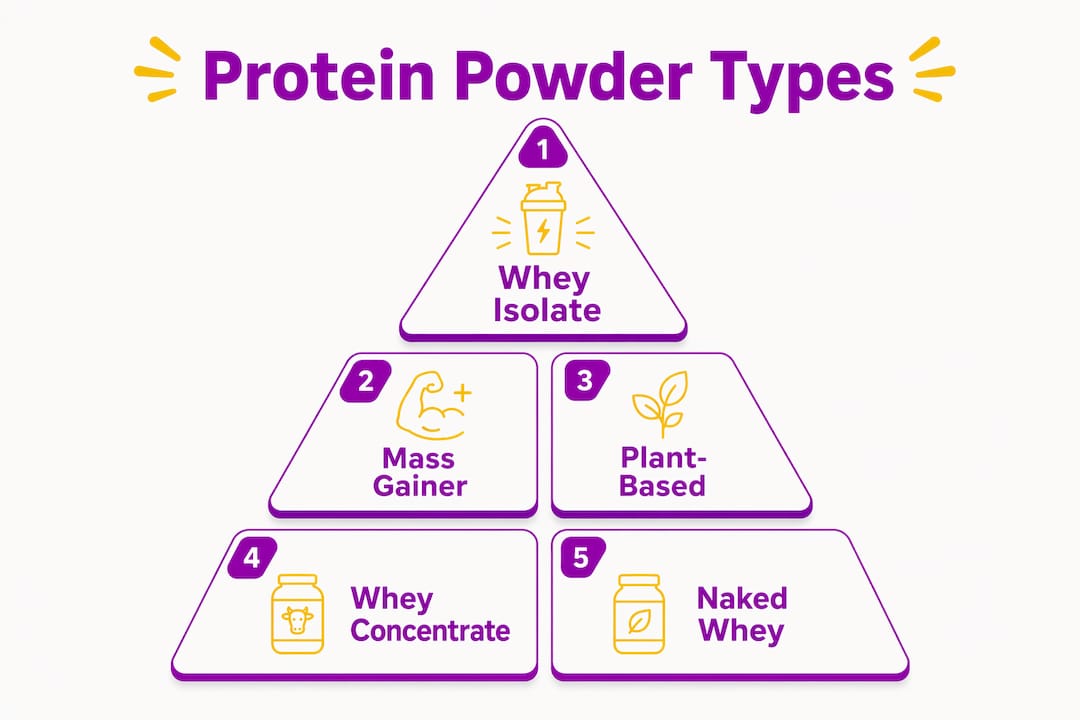
- Momentous Whey Protein Isolate — dietitian/editor pick for athletes who prioritize purity and third-party testing
- Optimum Nutrition Gold Standard — best value for everyday use, with proven mixability and dozens of flavors
- Dymatize Super Mass Gainer — best for hard gainers who need serious calorie surplus
- Naked Whey — best clean/unflavored option for ingredient-conscious buyers
- Garden of Life Sport Organic Protein — best plant-based pick for vegans targeting muscle gain
If you want one-click action, go with the Dietexerciseshop option. If you want to match a pick to your specific goal, the comparison below helps guide your choice.
Table of Contents
- How do the best protein powders for muscle gain compare?
- Dietexerciseshop’s protein powder: a solid starting point
- Why dietitians recommend Momentous Whey Protein Isolate
- Optimum Nutrition Gold Standard: the everyday workhorse
- Dymatize Super Mass Gainer: when you actually need the calories
- Naked Whey: when the ingredient list matters as much as the macros
- Garden of Life Sport: the plant-based pick that actually delivers
- How do you choose the right protein powder for your goal?
- What does the research actually say about protein and muscle gain?
- What should you buy based on your specific goal?
- Key Takeaways
- What most people get wrong about protein powder
- Gear up at Dietexerciseshop: protein, apparel, and everything in between
- Useful sources and further reading
- FAQ
How do the best protein powders for muscle gain compare?
| Product | Best for | Protein/serving (g) | Protein type | Calories/serving | Price/serving (est.) | Certifications | Added ingredients | Pros |
|---|---|---|---|---|---|---|---|---|
| Dietexerciseshop Whey | Overall/value | ~25 | Whey concentrate/isolate | ~130 | Competitive | Verify on label | Minimal | Clean label, direct-to-consumer |
| Momentous Whey Isolate | Purity/athletes | ~25 | Whey isolate | — | ~$2.50+ | NSF Certified for Sport | Minimal | Rapid absorption, rigorously tested |
| ON Gold Standard | Everyday value | 24 | Whey blend | — | ~$1.00–$1.50 | Informed Choice | Low sugar | Wide flavor range, mixes easily |
| Dymatize Super Mass Gainer | Bulking | ~52 | Whey blend | ~1,280 | ~$2.50+ | Informed Choice | High carbs | High-calorie surplus support |
| Naked Whey | Clean label | ~25 | Whey concentrate | — | ~$1.00–$1.50 | Third-party tested | None | One ingredient, no additives |
| Garden of Life Sport | Plant-based/vegan | ~30 | Pea/sprouted grain blend | — | $2.50+ | NSF Certified for Sport | Probiotics | Complete amino profile, organic |
Note: Serving sizes, macros, and prices shift with reformulations and retailer promotions. Always confirm current label values before purchasing.
Third-party testing matters more than most buyers realize. Consumer Reports and independent investigations have found heavy metals and inaccurate protein labeling across the supplement industry. NSF Certified for Sport and Informed Choice are the two certifications worth looking for on the label.
Dietexerciseshop’s protein powder: a solid starting point
Dietexerciseshop sells protein powder directly through its online store, which means no middleman markup and a product designed to fit the same fitness-focused audience the brand serves across its apparel, eBooks, and courses.
What to look for on the label (verify before purchasing):
- Protein per serving: approximately 25 g
- Calories per serving: approximately 130
- Protein type: whey concentrate or isolate blend
- Sweetener: check current label for type
- Added sugars: aim for under 3 g per serving
Pros:
- Direct-to-consumer pricing keeps cost per serving competitive
- Designed for the same fitness-focused buyer who shops the rest of the store
- Pairs naturally with Dietexerciseshop’s training guides and meal-prep resources
Cons:
- Flavor selection may be narrower than mass-market brands
- Third-party certification status: verify on current product label before purchasing
Best for: Beginners building a supplement routine, budget-conscious buyers, and anyone already shopping Dietexerciseshop for apparel or digital content.
Pro Tip: Pair your protein purchase with Dietexerciseshop’s bulking meal prep guide to map out how the powder fits your daily calorie and protein targets before you open the bag.
Why dietitians recommend Momentous Whey Protein Isolate
Momentous sits at the top of most dietitian and editor shortlists for one reason: it carries NSF Certified for Sport status, which means every batch is independently tested for banned substances and label accuracy. For competitive athletes or anyone who takes supplement safety seriously, that certification is worth the premium price.
Pros:
- NSF Certified for Sport — one of the strictest third-party standards available
- Whey isolate processes out most lactose, making it easier on sensitive stomachs
- ~25 g protein per serving with minimal added ingredients
- Rapid post-workout absorption due to whey’s high leucine content and digestibility
Cons:
- Price per serving runs higher than most everyday options (~$2.50+)
- Flavor variety is limited compared to mass-market brands
Best for: Performance athletes subject to drug testing, people with mild lactose sensitivity, and anyone who wants the cleanest possible post-workout shake without reading a chemistry textbook.
Optimum Nutrition Gold Standard: the everyday workhorse
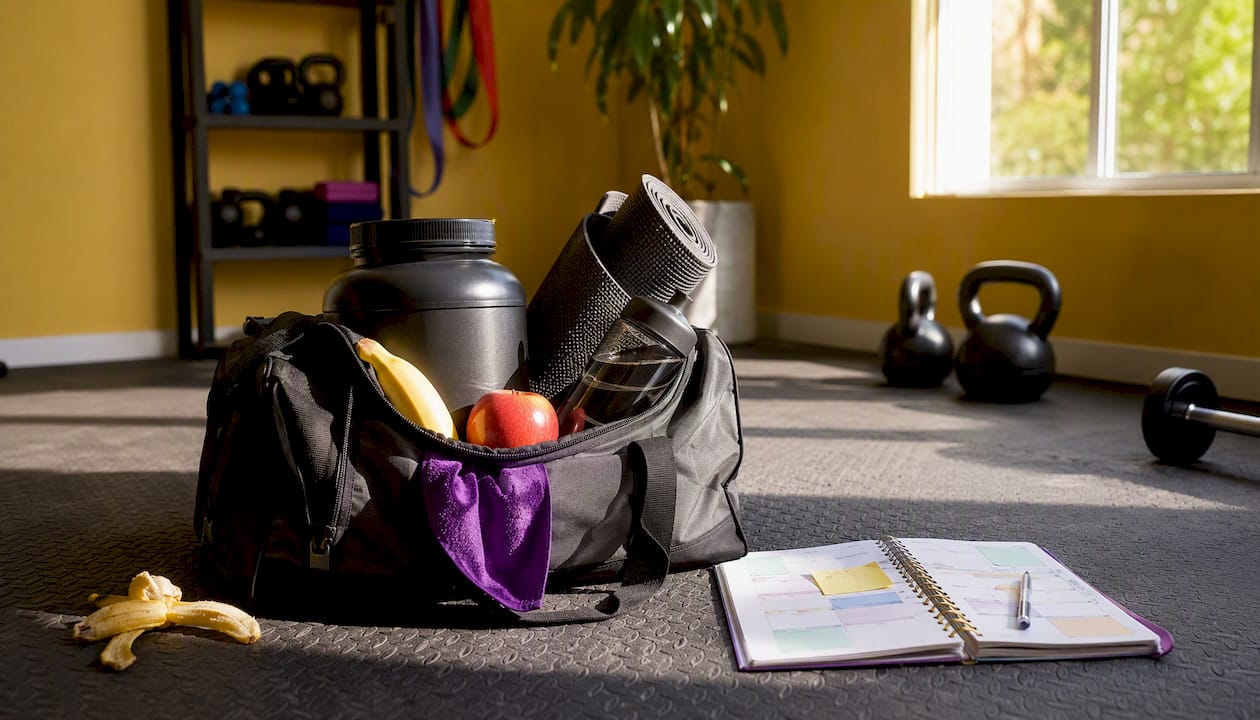
Gold Standard has been the default recommendation for budget-conscious lifters for years, and it still earns that spot. At roughly $1.00–$1.50 per serving, it delivers 24 g of protein from a whey blend (isolate, concentrate, and hydrolysate), mixes cleanly in a shaker cup, and comes in more flavors than most people will ever try.
Pros:
- Low cost per serving makes daily use realistic
- Informed Choice certified
- 24 g protein with ~5.5 g BCAAs and ~4 g glutamine per serving (verify current label)
- Dozens of flavors; consistently rated high for taste and mixability
Cons:
- Whey concentrate is the primary protein source, not isolate — slightly more lactose than a pure isolate
- Some flavors contain artificial sweeteners; check the label if that matters to you
- Not NSF Certified for Sport, so not ideal for drug-tested athletes
Best for: Lifters who want a reliable daily driver without overthinking it. If you’re hitting the gym four days a week and just need to close the protein gap, Gold Standard does the job at a price that doesn’t sting.
Dymatize Super Mass Gainer: when you actually need the calories
A mass gainer is not a better version of whey protein. It is a different product for a different problem. If you are a hard gainer who genuinely cannot eat enough calories to support muscle growth, a mass gainer solves that. If you are already eating plenty and just want more protein, a standard whey isolate is the smarter choice.
Pros:
- ~52 g protein per serving alongside a large carbohydrate load
- ~1,280 calories per full serving makes hitting a calorie surplus straightforward
- Informed Choice certified
- Useful for post-workout or between-meal calorie loading during a structured bulking phase
Cons:
- Full serving is enormous; most users start with a half serving
- High sugar content in some formulations — check current label
- Not suitable as a meal replacement for fat-loss goals
- Calorie density makes it easy to overshoot if you are not tracking intake
Usage tip: Blend a half serving with whole milk, a banana, and a tablespoon of nut butter rather than water. You get real food nutrients alongside the powder’s calorie load, and the taste improves dramatically.
Naked Whey: when the ingredient list matters as much as the macros
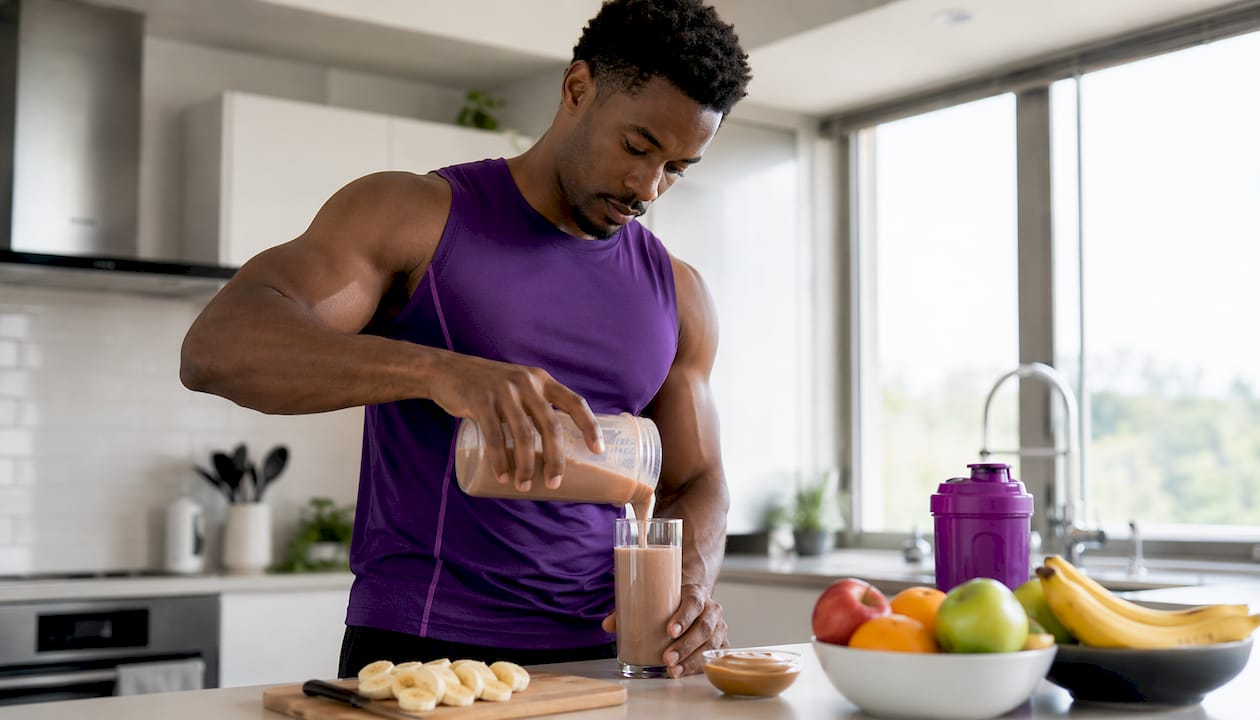
Naked Whey is exactly what the name suggests: one ingredient, grass-fed whey concentrate, nothing else. No artificial sweeteners, no lecithin, no proprietary blends. That simplicity makes it the go-to for people with ingredient sensitivities, anyone who bakes with protein powder, or buyers who want to control every variable in their nutrition.
Pros:
- Single-ingredient formula with no artificial additives
- ~25 g protein per serving from grass-fed whey
- Mixes into oatmeal, pancake batter, or smoothies without clashing flavors
- Third-party tested; check current label for specific certification
Cons:
- Unflavored concentrate does not mix as smoothly as isolate in plain water
- No sweetener means the taste is noticeably bland on its own
- Slightly higher fat and carb content than a pure isolate
Best use cases: Baking protein-rich snacks, blending into savory meals, or any situation where you want protein without a flavor profile. People with artificial sweetener sensitivities or those following a whole-foods diet will find this the most flexible option in the lineup.
Garden of Life Sport: the plant-based pick that actually delivers
Most plant-based proteins used to fall short on leucine, the amino acid that most directly triggers muscle protein synthesis. Garden of Life Sport gets around this by blending pea protein with sprouted grain proteins, hitting ~30 g protein per serving and achieving a more complete amino acid profile than single-source plant powders.
Pros:
- NSF Certified for Sport — rare for a plant-based product
- ~30 g protein per serving from a multi-source blend
- Organic, non-GMO, and free from artificial sweeteners
- Contains probiotics to support digestion (verify current label)
- Matches whey for muscle gain when total daily protein targets are met
Cons:
- Earthier taste than whey; texture is slightly grittier
- Higher carbohydrate content than a whey isolate
- Price per serving is higher than most whey options
For a deeper look at how plant proteins stack up on amino acid completeness, Dietexerciseshop’s vegan protein sources guide breaks down the full picture.
How do you choose the right protein powder for your goal?
A six-step decision checklist
- Set your goal first. Muscle gain, fat loss, and body recomposition each call for different calorie and protein targets. A mass gainer is wrong for a cut; a low-calorie isolate is wrong for a hard gainer.
- Choose your protein type. Whey isolate digests fastest and has the highest leucine density. Concentrate is cheaper but contains more lactose. Hydrolysate is pre-digested and premium-priced. Plant blends work well when per-serving protein is high enough.
- Check protein per serving. Aim for roughly 20 to 30 grams of protein per serving. Lower amounts may be less effective at stimulating muscle protein synthesis in many adults.
- Verify leucine content. Look for at least 2.5 g leucine per serving. Whey naturally provides roughly 10–11% leucine by weight, so a 25 g serving delivers about 2.5 g. Plant proteins often fall short here, which is why blends matter.
- Look for third-party testing. NSF Certified for Sport and Informed Choice are the two marks worth trusting. No certification is not automatically a dealbreaker, but it raises the bar for scrutiny.
- Calculate price per serving, not price per tub. A 5 lb tub at $60 with 70 servings costs $0.86/serving. A 2 lb tub at $45 with 28 servings costs $1.61/serving. The math changes the decision.
Label-reading tips
- Serving size vs. scoop: some brands use a 1.5-scoop serving to inflate the protein number. Check grams per serving, not per scoop.
- Protein per 100 g: useful for comparing products with different serving sizes.
- Added sugars: under 3 g per serving is a reasonable target for muscle-gain powders.
- Ingredient order: ingredients are listed by weight. If sugar or maltodextrin appears in the top three, reconsider.
Red flags to avoid
- Protein spiking: adding cheap amino acids (taurine, glycine, creatine) to inflate the nitrogen reading without adding complete protein. Look for brands with third-party testing.
- Vague ingredient names: “proprietary blend” with no breakdown is a warning sign.
- No third-party testing: especially important for competitive athletes.
On stacking with creatine: creatine monohydrate combined with protein and resistance training produces stronger strength and lean-mass improvements than protein alone in multiple trials. If muscle gain is the goal, adding 3–5 g of creatine monohydrate daily is one of the most evidence-backed decisions you can make. See Dietexerciseshop’s bodybuilding supplements guide for the full breakdown.
What does the research actually say about protein and muscle gain?
The science on protein dosing is clearer than most supplement marketing suggests. A high-quality protein powder typically provides 20–30+ g protein per serving, with 25 g being a common effective dose. The per-serving leucine threshold most commonly cited in research is 2.5 g, which is the amount thought to maximally stimulate muscle protein synthesis in most adults.
For daily intake, the research-supported range for resistance-training individuals is 1.6–2.2 g protein per kg body weight. A 180 lb (82 kg) person targeting the midpoint of that range needs roughly 130–180 g of protein per day. Most people eating a mixed diet get 80–100 g from food; a single well-dosed shake covers a meaningful portion of the gap.
Key finding: Supplementation benefits shrink once total daily protein consistently exceeds roughly 1.6 g/kg. Powders are most useful as a convenience tool to close the gap, not as a magic multiplier on top of an already-adequate diet.
Whey’s rapid digestibility and high indispensable amino acid content make it particularly effective at triggering post-meal muscle protein synthesis. The so-called “anabolic window” is more flexible than gym lore suggests. Consuming 20–40 g of whey protein near a workout, whether before or after, supports extended muscle protein synthesis. Some studies show larger effects when protein is consumed before high-volume training sessions.
Resistance training is the primary driver of muscle gain. Protein powder is a convenience tool that helps you meet daily protein goals without eating a chicken breast at every meal. Dietitians consistently frame it that way, and the research backs them up.
Pro Tip: If you train in the morning and struggle to eat a full meal beforehand, a 25 g whey shake 30 minutes pre-workout covers the leucine threshold and keeps your stomach settled. Pair it with a carbohydrate source from Dietexerciseshop’s pre-workout snack guide for better training output.
What should you buy based on your specific goal?
- Best overall: Dietexerciseshop Whey Protein — clean macros, direct-to-consumer value, fits most goals
- Best for purity/athletes: Momentous Whey Isolate — NSF Certified for Sport, minimal ingredients
- Best value: Optimum Nutrition Gold Standard — ~$1.00–$1.50/serving, Informed Choice certified
- Best for bulking: Dymatize Super Mass Gainer — ~1,280 calories per full serving, Informed Choice certified
- Best clean/unflavored: Naked Whey — single ingredient, no additives, versatile
- Best plant-based: Garden of Life Sport — NSF certified, ~30 g protein, complete amino profile
Immediate next steps:
- Buy the pick that matches your goal above
- Add creatine monohydrate (3–5 g/day) if strength and lean mass are the priority
- Track your total daily protein for one week to see where the gaps actually are
- Confirm third-party certification on the current product label before purchasing
- Verify serving size, macros, and price per serving at current retail before buying
Key Takeaways
Whey isolate with 25–30 g protein and at least 2.5 g leucine per serving is the most effective and practical choice for muscle gain, provided total daily protein hits 1.6–2.2 g/kg and resistance training is consistent.
| Point | Details |
|---|---|
| Per-serving protein target | Aim for 20–30 g protein per serving; 25 g is the common effective dose for muscle protein synthesis. |
| Leucine threshold | Look for a leucine content per serving that research suggests effectively stimulates muscle protein synthesis; whey naturally provides leucine in proportion to protein content. |
| Daily protein target | Research supports 1.6–2.2 g protein per kg body weight for resistance-training individuals. |
| Third-party testing | NSF Certified for Sport and Informed Choice reduce risk of contamination and label inaccuracy. |
| Dietexerciseshop | Dietexerciseshop’s protein powder offers competitive direct-to-consumer pricing and pairs with the brand’s training guides and meal-prep resources. |
What most people get wrong about protein powder
The supplement industry has done a remarkable job convincing people that the powder is the point. It is not. Resistance training drives muscle growth; protein closes the nutritional gap that training creates. A lifter eating 180 g of protein daily from whole foods and skipping the shake will outgrow a lifter hitting 80 g daily with the most expensive isolate on the market.
That said, the powder choice still matters within the right context. The gap between a well-dosed, third-party-tested whey isolate and a cheap, protein-spiked concentrate is real. You are not just paying for marketing when you choose NSF Certified for Sport. You are paying for the guarantee that the label is accurate and the batch is clean. For competitive athletes, that is not optional. For recreational lifters, it is still worth the modest price difference.
The other thing most guides underplay: taste and mixability are not vanity metrics. Long-term adherence depends on whether you actually drink the shake. A powder you dread mixing is a powder you will skip on the days you need it most. Pick something you like the taste of. The best protein powder is the one you use consistently.
Gear up at Dietexerciseshop: protein, apparel, and everything in between
Dietexerciseshop gives you protein powder and fitness apparel in one place, without the markup that comes with buying through a third-party retailer. The protein goes straight to your goals; the apparel keeps the mindset sharp on the days motivation runs low.
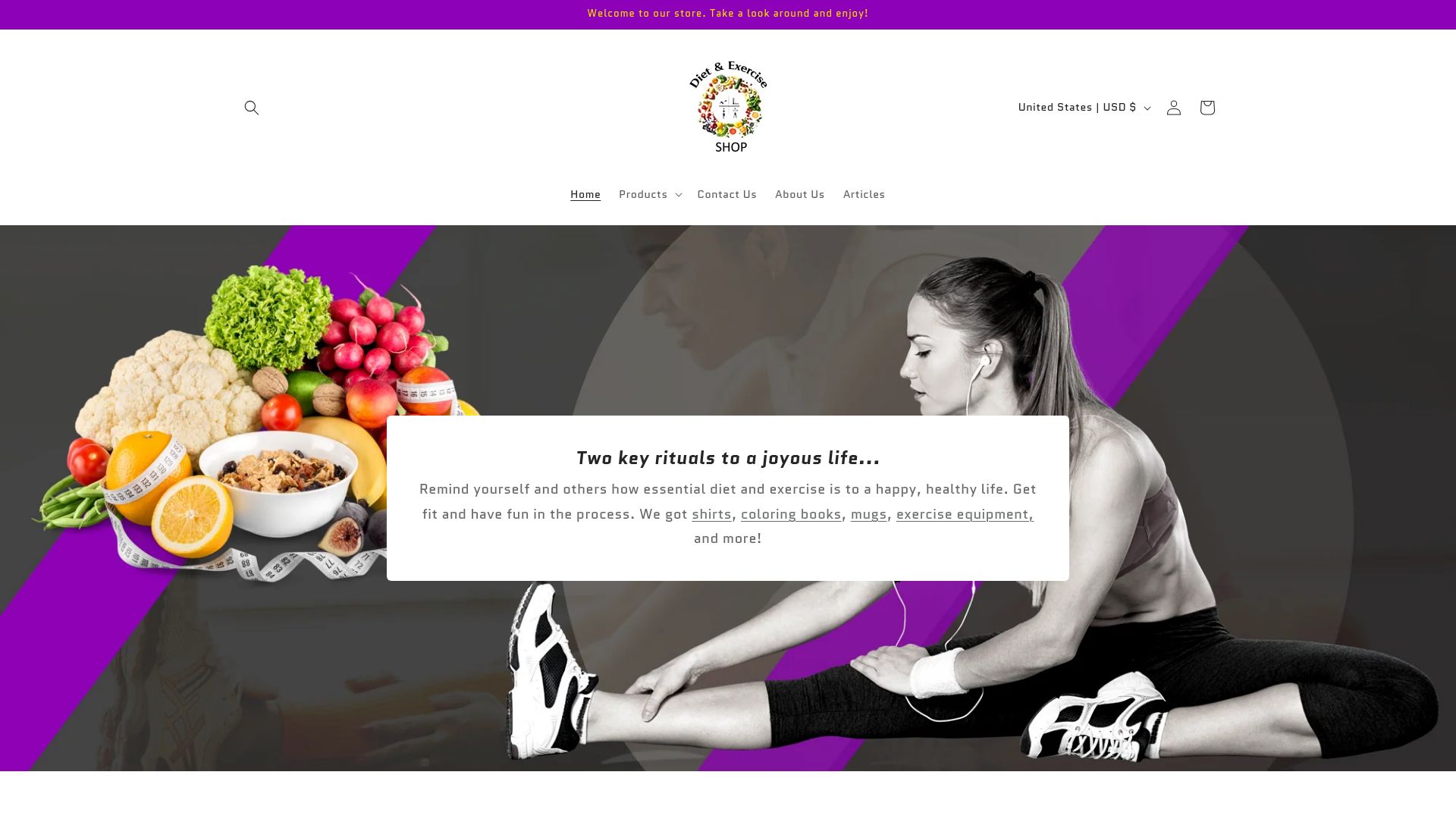
The apparel lineup is built for people who actually train. The TRUST THE PROCESS T-Shirt is the one for the long-game lifters. The MEAL PREP & MUSCLE REPS Hoodie is for the ones who know that Sunday prep is where gains are actually made. Round it out with the GYM HAIR DON’T CARE T-Shirt, the SPICE UP YOUR WORKOUT T-Shirt, or the BRO, DO YOU EVEN LIFT? T-Shirt for the gym culture crowd. Shipping and return details are listed at checkout. Head to Dietexerciseshop to browse the full store and add your picks to the cart.
*Product macros and certifications should be verified on the current product label before purchase. This article is general information, not medical or nutritional advice. Confirm your specific dietary needs with a registered dietitian or qualified health professional.
Useful sources and further reading
- Whey Protein Supplementation and Muscle Mass: Current Perspectives — PMC/NIH meta-analysis on supplementation thresholds and diminishing returns above 1.6 g/kg daily protein.
- The Scoop on Protein Powder — Harvard Health overview of protein powder safety, types, and practical use.
- Whey Protein Nutrition in Sports: Action Mechanisms and Gaps in Research — Current Nutrition Reports review of whey’s physiological mechanisms and leucine-driven muscle protein synthesis.
- Effects of Whey Protein Alone or as Part of a Multi-ingredient Formulation on Strength and Fat-Free Mass — Systematic review covering creatine and protein stacking evidence.
- Consumer Reports: Best Protein Powders and Shakes — Independent testing data on heavy metals, label accuracy, and certification value.
- PubMed: Protein Supplementation and Resistance Training — Peer-reviewed research on protein dose-response and muscle hypertrophy.
- PMC: Dietary Protein and Muscle Mass — Review of daily protein targets and distribution for muscle gain.
- The Role of Protein in Muscle Building: 2026 Guide — Partner resource covering protein’s role in muscle building with practical training context.
FAQ
How much protein per day do you need to build muscle?
Research supports 1.6–2.2 g of protein per kg of body weight daily for resistance-training individuals. A 180 lb (82 kg) person needs roughly 130–180 g per day.
Is whey isolate better than concentrate for muscle gain?
Whey isolate has more protein per gram, less lactose, and a higher leucine density, making it slightly more efficient per serving. Concentrate is cheaper and still effective when total daily protein targets are met.
What does leucine do, and how much do you need per serving?
Leucine is the amino acid that most directly triggers muscle protein synthesis. A threshold of approximately 2.5 g leucine per serving is commonly cited in research; a 25 g serving of whey naturally delivers close to that amount.
Can plant-based protein powder build muscle as effectively as whey?
Yes, when per-serving protein is high enough (25–30 g) and the amino acid profile is complete through blending. Garden of Life Sport achieves this with a pea and sprouted grain blend, and it carries NSF Certified for Sport status.
When is the best time to take protein powder?
Consuming 20–40 g of protein near a workout, before or after, supports muscle protein synthesis. The timing window is more flexible than older guidance suggested; total daily protein intake matters more than the exact minute you drink the shake.