

The Only Rule That Matters When Buying Sweat Wicking Shirts
Buy quick-dry polyester or nylon, or a merino blend, built with mesh panels or vented seams, and you’ll manage sweat better than 90% of what’s hanging in a big-box athletic aisle. The single rule: drying speed and airflow beat marketing terms every time. A shirt labeled “cooling” or “advanced moisture control” means nothing if the fabric itself dries slowly and traps air against your skin.
Before you buy, check three things on the product page:
- Fiber content: look for polyester, nylon, or merino wool listed first, not cotton.
- Synthetic percentage: blends above 85% synthetic (or 100% merino/Tencel) tend to dry fastest.
- Ventilation cues: words like “mesh,” “vented,” or “perforated” in the description signal real airflow, not just a wicking claim on the tag.
Get those three right and everything else, fit, color, brand, becomes a matter of preference rather than performance.
Key Takeaways
Sweat wicking shirts work best when fast-drying synthetic or merino fabric pairs with real ventilation construction, not brand marketing terms.
| Point | Details |
|---|---|
| Check fiber content first | Polyester, nylon, or merino listed first outperforms cotton for drying speed. |
| Construction beats labels | Mesh panels, flatlock seams, and four-way stretch matter more than “cooling” claims. |
| Match fabric to activity | Lightweight mesh for running, durable stretch knits for lifting, softer blends for yoga. |
| Wash cold, skip softener | Fabric softener blocks the fiber channels that make wicking work. |
| Shop by criteria, not price | Dietexerciseshop’s tees and hoodies prioritize breathable fabric and stretch construction over marketing terms. |
Table of Contents
- How Moisture Wicking Shirts Actually Move Sweat Off Your Skin
- Which Fit and Construction Details Actually Change Sweat Performance
- What Should You Wear for Running, Lifting, or Yoga?
- How to Wash Sweat Wicking Shirts Without Ruining Them
- Why Trust This Guide to Sweat Wicking Shirts
- Are Sweat Wicking Shirts Bad for the Environment?
- What Should You Expect to Pay for a Good Sweat Wicking Shirt
- How to Read a Product Label for Real Wicking Performance
- What Actually Matters When You’re Standing in the Fitting Room
- Shop Sweat Wicking Shirts and Gear Built Around These Rules
- Sources
- FAQ
How Moisture Wicking Shirts Actually Move Sweat Off Your Skin
Moisture wicking works through two separate mechanical processes, and a shirt only performs well if it handles both. First, capillary action pulls sweat away from your skin through tiny gaps between fibers, the same physics that lets a paper towel soak up a spill. Second, evaporation releases that moisture into the air once it reaches the fabric’s outer surface. A shirt can wick beautifully but still feel damp all workout if the fabric is too dense for the moisture to evaporate quickly.
This is why synthetics like polyester and nylon typically outperform untreated cotton for drying speed. Cotton fibers absorb water and swell, holding moisture close to your skin. Polyester and nylon fibers are largely water resistant, so sweat sits on the surface and evaporates instead of soaking in.
Here’s how the common materials stack up:
- Polyester: fast drying, durable, holds shape well, but can retain odor if not treated or washed properly.
- Nylon: similar drying speed to polyester with a softer hand feel, slightly less odor resistant.
- Merino wool: naturally odor resistant and temperature regulating, dries slower than synthetics but performs well for moderate activity.
- Tencel/Lyocell: breathable and soft, often blended with synthetics to boost comfort without sacrificing much dry time.
- Elastane/spandex: adds stretch and recovery, rarely more than 10% of a blend, doesn’t wick on its own.
Around 20% or less elastane is typical in performance blends, according to fabric composition listed on Under Armour’s Vanish Energy tee, where the polyester/elastane ratio is stated directly on the product page. That’s the kind of label detail worth reading before you buy.
Proprietary technologies like 37.5® or brand-specific “cooling” finishes claim to actively accelerate evaporation. Some of these treatments genuinely help, but they’re a secondary layer on top of fabric and construction, not a replacement for them. A poorly ventilated shirt with a fancy finish will still trap heat.
Which Fit and Construction Details Actually Change Sweat Performance
Fit changes how sweat moves across your body, not just how a shirt looks. A snug, next-to-skin fit keeps fabric in constant contact with your skin, which speeds up the wicking process because there’s less air gap for moisture to cross before reaching the fabric. Looser, layered fits rely more on airflow to carry sweat away, which works fine for lower-intensity activity but can leave you feeling clammy during hard efforts.
Construction details matter as much as fit. Mesh panels and four-way stretch fabric improve perceived coolness and let you move without the shirt binding at the shoulders or underarms. Look for these cues on a spec sheet:
- Underarm gussets or mesh vents: placed exactly where sweat production is highest.
- Flatlock seams: reduce chafing on longer sessions, especially under a backpack or heart rate strap.
- Four-way stretch knits: cut down on friction and discomfort during cross-training and lifting.
- Engineered ventilation channels: some shirts use raised or textured knit zones instead of literal mesh cutouts to boost airflow without sacrificing coverage.
There’s a real trade-off between coverage and visible sweat. Darker colors and busier prints hide sweat patches better than light heather grays, which show moisture almost immediately. Tighter cuts also tend to show sweat lines more than relaxed fits, even when the fabric itself is performing well.
Pro Tip: If you sweat heavily through the chest or back, buy a shirt one shade darker than you’d normally choose. It won’t change the wicking performance, but it will save you from a mid-workout confidence hit.
What Should You Wear for Running, Lifting, or Yoga?
Different activities put different demands on a shirt, and the “best” moisture-wicking fabric changes depending on what you’re doing.
- Running and HIIT: Prioritize the lightest, highest-evaporation-surface fabric you can find. Thin polyester or nylon blends with mesh back panels perform best here because the workout generates continuous, heavy sweat and you need maximum air contact. If you’re training outdoors, look for a UPF rating and reflective detailing for early morning or evening sessions.
- Weightlifting and cross-training: Durability and stretch outrank ultralight weight. A slightly thicker knit with four-way stretch and flatlock seams holds up better against barbells, pull-up bars, and repeated friction than the paper-thin fabrics built for running.
- Hot-weather outdoor sports: Fast-dry fabric, real ventilation, and sun protection all matter more than in a climate-controlled gym. Light colors reflect heat, but they also show sweat, so weigh that trade-off against your sun exposure needs. A UPF-rated shirt does double duty as sweat management and skin protection.
- Yoga and low-impact movement: You can afford softer blends since sweat output is lower and steadier rather than sudden and heavy. Merino and Tencel blends work well here, and slightly longer hemlines or modest compression suit the movement patterns better than a boxy running tee.
The common mistake is buying one shirt for everything. A running tee’s paper-thin build won’t survive months of barbell work, and a heavier lifting shirt will feel like a wetsuit on a 5-mile run.
How to Wash Sweat Wicking Shirts Without Ruining Them
Washing habits determine how long a shirt keeps performing, sometimes more than the fabric quality itself. Rapid drying and good ventilation are the most reliable ways to control odor, and antimicrobial finishes only supplement that, they don’t replace it. A shirt that sits damp in a gym bag for six hours will smell bad no matter what’s printed on the tag.
Follow these rules to protect the fabric’s wicking ability:
- Wash in cold water with a small amount of regular detergent; skip fabric softener entirely, since it coats fibers and blocks the capillary channels that make wicking work.
- Turn shirts inside out before washing to reduce pilling on the outer surface.
- Air dry when possible; high heat from a dryer can degrade elastane and synthetic finishes over time.
- If odor lingers after a normal wash, soak the shirt in a mix of cold water and white vinegar for 30 minutes before rewashing.
Pro Tip: If a shirt smells bad within minutes of putting it on, even after washing, the antimicrobial finish is likely spent. These treatments lose effectiveness over repeated wash cycles, and no amount of vinegar will bring it back.
Why Trust This Guide to Sweat Wicking Shirts
This guide draws on testing rounds from established outlets, including Men’s Health’s fitness editor reviews and Women’s Health’s moisture-wicking shirt roundup, cross-referenced against peer-reviewed textile research on odor and hygiene. Mark, who covers fabric and apparel buying decisions for Dietexerciseshop, also wrote our breakdown of the best workout clothes material and a companion guide to women’s workout apparel.
Dietexerciseshop stocks apparel and training gear built around these same fabric principles, plus the eBooks and courses that go with a full diet and exercise plan…
A few things worth knowing before you shop:
- Fabric claims mean little without checking the composition list.
- Editor-tested picks consistently favor synthetic or merino blends over cotton.
- Odor control comes from drying speed first, finishes second.
Are Sweat Wicking Shirts Bad for the Environment?
Polyester and nylon are petroleum-based synthetics, and that’s the honest starting point for any sustainability conversation about performance apparel. They don’t biodegrade quickly, and washing synthetic fabrics sheds microplastic fibers into wastewater. That’s a real trade-off against the drying speed and durability that make these fabrics useful in the first place.

Merino wool and Tencel/Lyocell offer a middle ground. Merino is a renewable natural fiber that biodegrades, and Tencel is produced from wood pulp using a closed-loop process that recycles most of the solvent used in manufacturing. Neither fiber dries quite as fast as pure polyester, but the blend versions common in performance shirts split the difference: enough synthetic content for quick drying, enough natural fiber to cut down on the plastic footprint.
A few practical habits reduce environmental impact regardless of which fabric you choose. Washing full loads instead of single items cuts down on microfiber shedding per garment. Air drying instead of machine drying reduces energy use and extends the life of stretch fibers, which means fewer replacement purchases over time. Buying fewer, better-made shirts and actually wearing them out, rather than replacing a wardrobe every season, remains the single biggest lever any shopper controls.
If sustainability matters to your buying decision, look for blends that combine recycled polyester with natural fibers, and prioritize brands that list fiber sourcing details on the product page rather than vague “eco-friendly” language with no substance behind it.
What Should You Expect to Pay for a Good Sweat Wicking Shirt
Performance tees generally run from about $20 for basic synthetic blends at mass retailers to $60 or more for technical fabrics with brand-name finishes and reinforced construction. Merino and merino-blend shirts tend to sit at the higher end of that range because the raw material costs more to source and process than polyester.
Price doesn’t always track with performance the way people assume. A $25 polyester tee with a simple, well-ventilated construction can outperform a $50 shirt loaded with proprietary branding but poor airflow. The fabric composition and construction quality matter more than the price tag or the logo.
That said, cheaper shirts often cut corners in ways that show up after a few months: seams fray, elastane loses its stretch, or antimicrobial finishes wash out faster because the underlying fabric is lower grade. If you work out five or more times a week, spending a bit more on a shirt with flatlock seams and a denser knit usually pays off in longevity, which lowers your real cost per wear over a year.
Buy two or three mid-range shirts rather than one expensive piece or five bargain-bin tees. That gives you rotation for laundry day without either overspending or replacing shirts every few months.
How to Read a Product Label for Real Wicking Performance
Marketing copy loves words like “advanced,” “engineered,” and “next-level cooling.” None of those terms are regulated or standardized, so they tell you nothing concrete about how a shirt will perform. What actually matters is buried further down the product page, usually in the fabric composition and technical specs sections.
Start with the fiber content list. If cotton is the first or only fiber listed, treat wicking claims on the packaging with skepticism, since cotton’s water-absorbing structure works against fast drying no matter what finish is applied. If polyester, nylon, or merino appears first, the base fabric is doing real work.
Next, check for specific construction details rather than vague adjectives. Knit density, yarn thickness, and the presence of engineered mesh zones control how much surface area is available for evaporation, and better product pages list these specs directly instead of hiding behind brand language. Vendor tech pages, like Arctic Cool’s cooling shirt line, typically spell out fabric content and care instructions in enough detail to judge real performance.
Finally, treat “antimicrobial” and “odor resistant” claims as a bonus, not the main event. These finishes fade with washing, while the fabric’s inherent drying speed does not. A shirt that dries fast will out-perform a heavily treated one that dries slowly, every time.
What Actually Matters When You’re Standing in the Fitting Room
Most buying guides treat moisture wicking like a single feature you can check off a list. It isn’t. The research behind this guide points to a clear hierarchy: fabric drying speed and airflow construction drive 80% of real-world performance, proprietary finishes and marketing terms account for the rest.
The conventional advice, “look for a moisture-wicking label”, sets a floor so low it’s almost meaningless. Nearly every athletic shirt sold today carries that label. The better question is whether the fabric composition and construction back it up, and that requires reading past the marketing copy into the actual spec sheet.
If you take one thing from this guide, prioritize construction over brand name. A $25 shirt with real mesh venting and a high synthetic content will out-perform a $55 shirt riding on a logo and a vague “cooling technology” claim. Fit your activity to the fabric weight, wash it the way the tag says, and stop expecting a single miracle shirt to handle a marathon and a yoga class equally well.
Shop Sweat Wicking Shirts and Gear Built Around These Rules
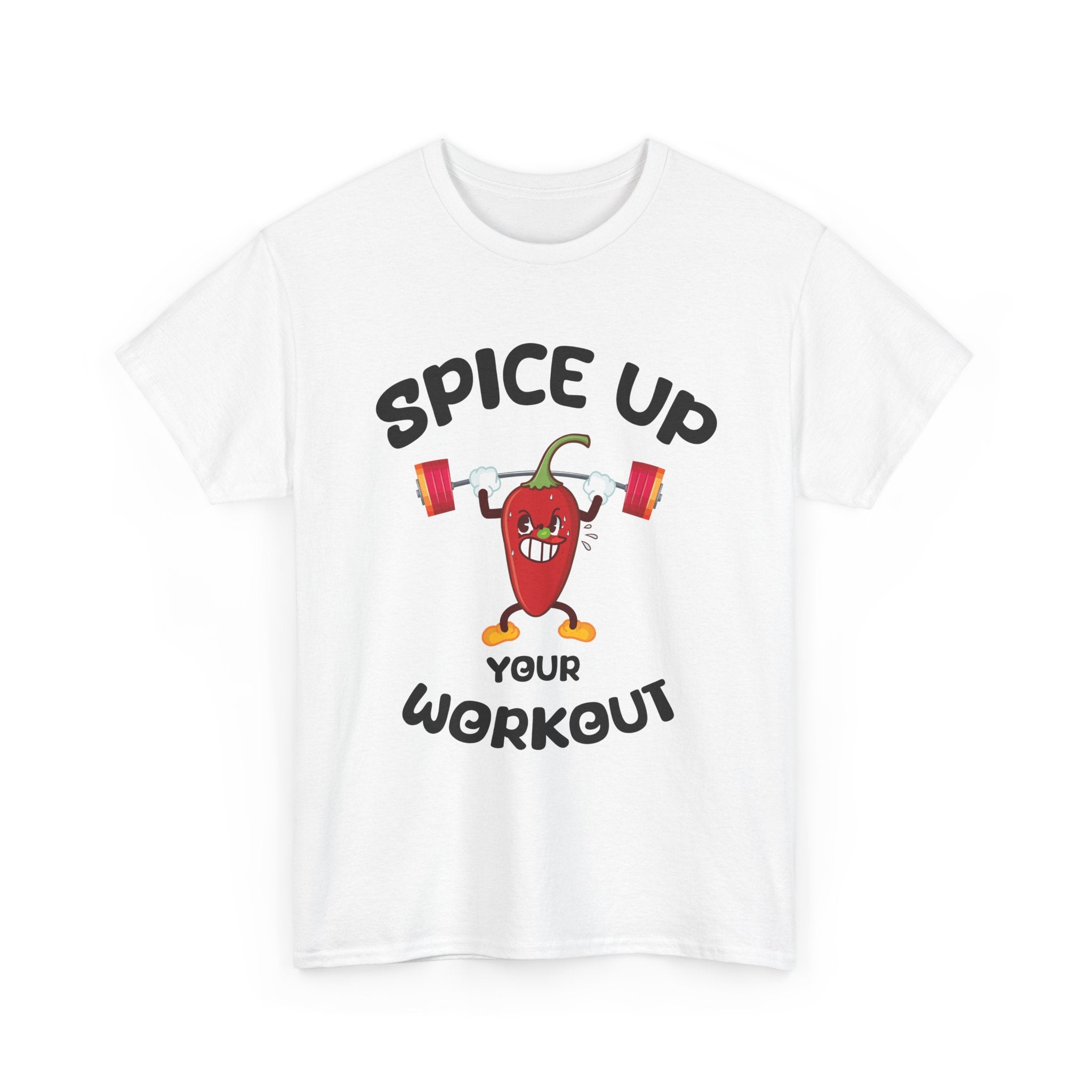
Dietexerciseshop stocks apparel picked with the same criteria this guide just walked through: fabric composition first, construction details second, marketing claims last. The TRUST THE PROCESS T-Shirt and the SQUATS? I THOUGHT YOU SAID SQUASH? T-Shirt both work well for lifting and cross-training sessions where durability and stretch recovery matter more than ultralight weight. If you run hot on cardio days, the TURNIP THE GAINS T-Shirt offers the lighter build suited to running and HIIT.
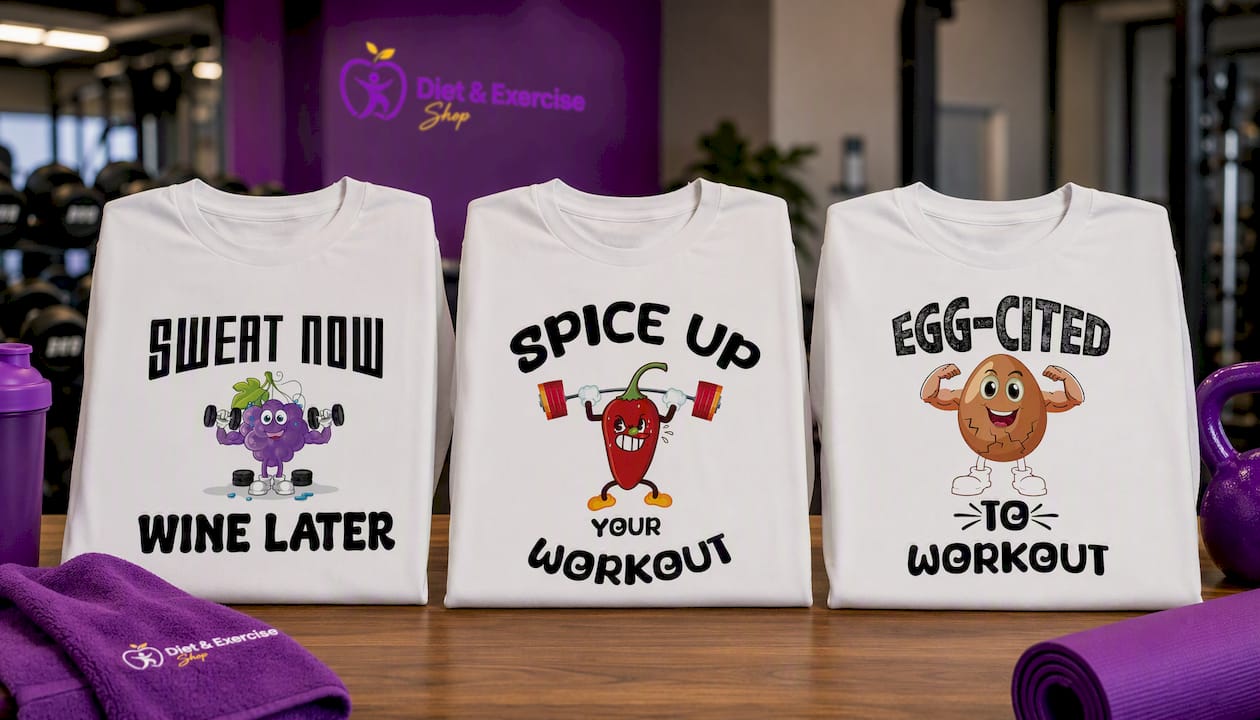
Cooler mornings or gym-to-street layering call for something heavier without losing breathability. The MEAL PREP & MUSCLE REPS Hoodie, CARDIO AND CARBS, THE PERFECT PAIRING Hoodie, and RUNNING ON COFFEE AND PROTEIN SHAKES Hoodie all pair a warmer knit with construction that won’t trap moisture the way a plain cotton hoodie does. Pair any of these with the Abs Stimulator toning device for at-home core work, or dig into the FUNCTIONAL FITNESS eBook to build a training plan that actually uses the gear you’re buying.
Check the sizing chart on each product page before ordering. Performance fabrics with high stretch content tend to run closer to true-to-size than cotton basics, so sizing down rarely helps the way it might with a looser cotton tee. Browse the full T-shirt collection or hoodie lineup to compare fits before you check out.
Sources
- PMC article (peer-reviewed) on textile hygiene and odor control
- 8 Best Moisture-Wicking Shirts In 2026, Tested & Reviewed
- The 9 Best Workout Shirts for Men, Tested by Fitness Editors and Experts
- Under Armour Vanish Energy Moisture Wicking T-Shirt | Nordstrom
FAQ
What Is a Sweat Wicking Shirt?
A sweat wicking shirt uses fiber structure and fabric construction to pull moisture away from your skin toward the outer surface, where it evaporates faster than it would on plain cotton.
Is Wicking the Same as Dri-Fit?
No. Wicking describes the general process of moving moisture through fabric, while Dri-Fit is a specific brand name for one company’s version of that technology; many other brands, including Dietexerciseshop’s performance tees, use similar fabric science under different names.
Do Sweat Proof Shirts Actually Work?
No fabric is fully sweat proof, but fast-drying synthetics and merino blends genuinely reduce how wet and heavy a shirt feels during exercise compared with cotton.
What Is the Best Sweat-Wicking Gym Shirt?
The best choice depends on your workout: lightweight mesh-paneled polyester suits running and HIIT, while a stretch knit with flatlock seams, like the options in Dietexerciseshop’s TRUST THE PROCESS T-Shirt, holds up better for lifting and cross-training.