
Weight Loss Supplements Guide: Evidence and Safety
Most weight-loss supplements produce only modest effects at best, and the safety and labeling standards behind them vary far more than most people realize. Roughly one-third of U.S. adults trying to lose weight use dietary supplements, and fewer than one-third of those users disclose the use to a healthcare provider. That gap matters, because the FDA does not approve these products for safety or efficacy before they reach store shelves.
Here is the short version of what the evidence shows:
- Best-supported ingredients: Caffeine, glucomannan, soluble fiber, and OTC orlistat (Alli) have the most consistent trial data, though effects are modest.
- Realistic effect sizes: Expect modest weight loss over several weeks for glucomannan combined with dietary changes; caffeine raises metabolic rate modestly. No supplement reliably produces clinically meaningful weight loss on its own.
- Top safety step: Tell your clinician about every supplement you take, especially if you are on prescription medications or have a chronic condition.
Table of Contents
- How does U.S. supplement regulation actually work?
- What does the clinical research actually show?
- What does each common ingredient actually do?
- What safety risks should you know before starting?
- How do you choose a safer, evidence-based supplement?
- How do you try a supplement responsibly?
- Special considerations for women, older adults, and people with chronic conditions
- Current research highlights: what the numbers say
- Key Takeaways
- The gap between what supplements promise and what they deliver
- Where to start if you want a vetted option
- Useful sources and further reading
- FAQ
How does U.S. supplement regulation actually work?
The Dietary Supplement Health and Education Act of 1994 (DSHEA) is the law that governs this space, and its core rule is counterintuitive: supplements are regulated more like foods than drugs. Manufacturers are responsible for establishing that their products are safe and that any claims they make are truthful. The FDA does not review or approve a supplement before it goes on sale.
What the FDA can do is act after a product is already on the market. If safety signals emerge through adverse event reports, the agency can issue warnings, request recalls, or take enforcement action. That post-market model means problems often surface only after consumers have been exposed.
Practical implications for you as a buyer:
- Marketing claims: — Phrases like “supports healthy weight” are structure/function claims that require no FDA preapproval. “Clinically proven” on a label does not mean FDA-approved.
Pro Tip: Scan the label for these red flags before buying: a proprietary blend with no individual doses listed, claims of rapid or guaranteed weight loss, no physical address or contact information for the manufacturer, and any warning that the product contains stimulants not listed in the ingredient panel. If you see any of these, report the product to the FDA’s MedWatch program or the FTC.
What does the clinical research actually show?
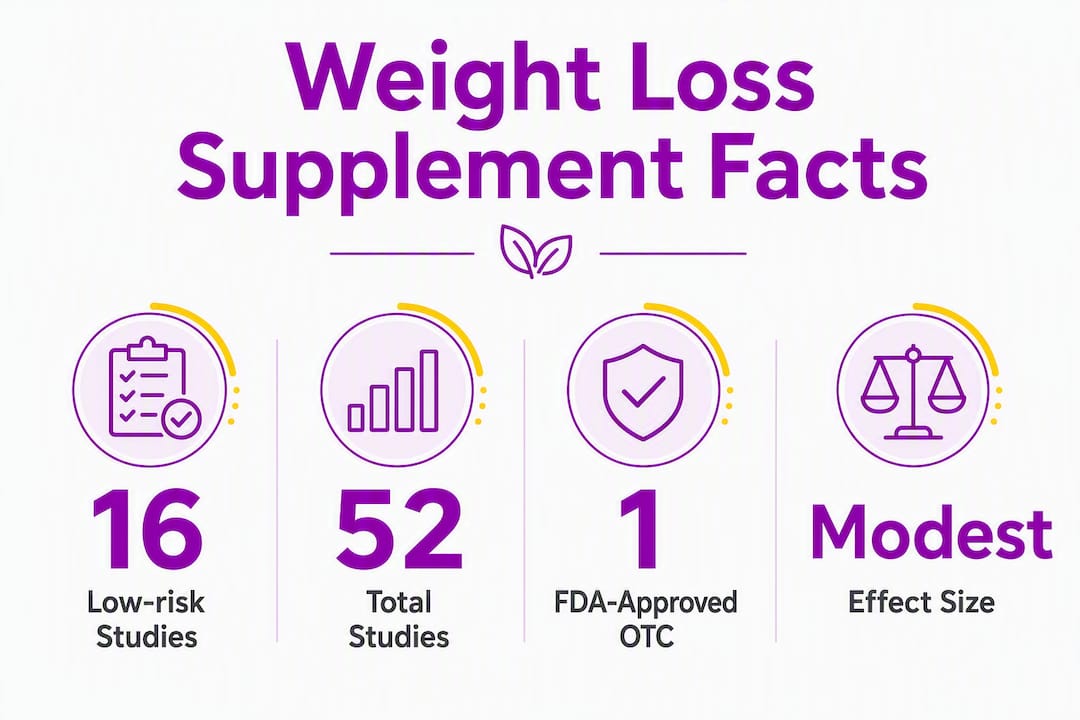
The honest summary is that the overall evidence base is thin. A systematic review that screened thousands of citations found only 52 low-risk-of-bias studies, and of those, only 16 showed statistically significant weight differences, ranging from 0.3 to 4.93 kg. That is not a ringing endorsement for the category.
Most trials share the same structural problems:
- Small sample sizes (often fewer than 100 participants)
- Short durations (typically 8–12 weeks, rarely longer than six months)
- Industry funding, which correlates with more favorable outcomes in published results
- Heterogeneous formulations, making it impossible to compare one brand’s “green tea extract” to another’s
Caffeine at 200–400 mg/day can raise metabolic rate by 3–11% and increase fat oxidation by 10–29% in short-term trials. Glucomannan at 1–3 g before meals has contributed to 1–4 kg of weight loss over 8–12 weeks when paired with dietary changes. Those are the strongest numbers in the category, and they are still modest.
“No dietary supplement has been shown to be effective for long-term weight loss in large, well-designed clinical trials. The evidence for most ingredients is limited, inconsistent, or derived from studies with significant methodological limitations.” — NIH Office of Dietary Supplements, Dietary Supplements for Weight Loss Health Professional Fact Sheet
Confidence that any supplement reliably causes clinically meaningful weight loss on its own: low. That is not a dismissal of the category. It is a calibration. Supplements can assist a caloric deficit; they cannot create one.
What does each common ingredient actually do?
The table below summarizes the most studied ingredients. Doses reflect ranges used in clinical trials, not necessarily what is on any specific product label.

| Ingredient | Evidence strength | Typical trial dose | Expected effect / timeline | Common side effects | Key interaction flags |
|---|---|---|---|---|---|
| Caffeine / Green tea (EGCG) | Moderate (short-term) | 200–400 mg caffeine/day; 200–1200 mg EGCG/day | +3–11% metabolic rate; modest fat oxidation | Insomnia, anxiety, palpitations, GI upset | MAOIs, stimulants, blood pressure meds |
| Glucomannan | Moderate | 1–3 g before meals | 1–4 kg over 8–12 weeks (with diet) | Bloating, gas, esophageal obstruction risk | Oral medications (take separately) |
| Psyllium / Beta-glucans | Low-moderate | 7 g/day psyllium | Modest satiety; minimal direct weight loss | Bloating, gas | Reduces absorption of some drugs |
| Protein supplements | Moderate (satiety) | 25–50 g/day added protein | Modest weight loss via satiety; preserves lean mass | GI discomfort at high doses | Minimal |
| Berberine | Low-moderate | 500 mg three times daily | Modest glucose/weight effects; limited RCT data | GI upset, cramping | Metformin, anticoagulants, CYP3A4 substrates |
| Probiotics | Low | Strain- and dose-dependent | Minimal direct weight loss; gut health benefit | Bloating (usually transient) | Immunosuppressants |
| Chromium | Low | 200–1,000 mcg/day | Negligible weight loss in most trials | Generally well tolerated | Insulin, thyroid medications |
| Chitosan | Low | 1–4 g/day | Minimal fat absorption reduction | GI upset, shellfish allergy risk | Fat-soluble vitamins, warfarin |
| Bitter orange (synephrine) | Low | 10–50 mg synephrine | Minimal; replaces ephedra but similar concerns | Palpitations, hypertension | Stimulants, MAOIs, heart medications |
| OTC Orlistat (Alli) | High (OTC category) | 60 mg three times daily with fat-containing meals | ~3 kg additional loss vs. placebo over 6 months | Oily stools, fecal urgency, fat-soluble vitamin loss | Cyclosporine, warfarin, thyroid meds |
A few notes worth pulling out of that table:
- Berberine — has attracted attention for its glucose-lowering effects, but most trials are small and conducted in populations with metabolic syndrome. The weight-loss data for otherwise healthy adults is thin.
For readers focused on building or preserving muscle during a calorie deficit, protein supplementation has the strongest evidence for supporting lean mass retention, even if its direct weight-loss effect is modest.
What safety risks should you know before starting?
The adverse-effect profile of weight-loss supplements ranges from annoying to serious, and the serious end is underreported.
By ingredient class:
- Stimulants (caffeine, bitter orange, synephrine): Elevated heart rate, hypertension, anxiety, insomnia, and in rare cases cardiac arrhythmia. Risk compounds when multiple stimulant-containing products are taken together.
- Soluble fibers (glucomannan, psyllium): GI bloating and gas are common and usually transient. Glucomannan tablets carry a documented risk of esophageal obstruction if swallowed without adequate water.
- Green tea extract (EGCG): Concentrated extracts have been linked to liver injury in case reports. The NIH/ODS fact sheet specifically flags this concern.
- Chitosan: Derived from shellfish; contraindicated in shellfish allergies. Can reduce absorption of fat-soluble vitamins (A, D, E, K).
- Orlistat (Alli): Reduces absorption of fat-soluble vitamins; a multivitamin taken at least two hours apart is recommended. Rare reports of severe liver injury exist, though causality is debated.
Drug interactions to flag with your clinician:
- Warfarin and other anticoagulants: multiple supplements (chitosan, berberine, green tea, vitamin E) can potentiate bleeding risk.
- Diabetes medications: berberine, chromium, and some fibers can lower blood glucose and increase hypoglycemia risk when combined with insulin or oral hypoglycemics.
- Blood pressure medications: stimulant-containing supplements can counteract antihypertensives.
- SSRIs and MAOIs: St. John’s Wort (sometimes included in weight-loss blends) has serious serotonin syndrome risk with SSRIs and is contraindicated with MAOIs.
- Thyroid medications: orlistat and some fibers can reduce levothyroxine absorption.
“Consumers should be aware that some weight-loss dietary supplements have been found to contain undeclared active pharmaceutical ingredients, including prescription stimulants and diuretics, which can cause serious harm.” — FDA post-market surveillance findings, PMC adulteration review
Seek immediate medical attention if you experience: chest pain, palpitations, severe headache, jaundice (yellowing of skin or eyes), fainting, or signs of hypoglycemia while taking any supplement.

How do you choose a safer, evidence-based supplement?
The single most useful filter is this: does the product contain a single, named ingredient at a dose that matches what clinical trials actually used? Most products on the market fail that test.
A practical checklist:
- Prefer single-ingredient products. Multi-ingredient blends make it impossible to know which component is doing anything, or causing a problem.
- Check for third-party testing seals. USP, NSF International, and ConsumerLab each independently verify that a product contains what the label claims and is free of common contaminants. These seals are not a guarantee of efficacy, but they significantly reduce adulteration risk.
- Avoid proprietary blends. If the label lists a “weight-loss matrix” with a single combined weight, you cannot verify individual doses.
- Compare label doses to trial doses. Use the ingredient table above. A glucomannan product listing 500 mg per serving is not the 1–3 g used in trials.
- Look for a manufacturer address and lot number. Legitimate manufacturers provide contact information and batch traceability.
- For OTC pharmaceutical weight loss, consider Alli first. It is the only FDA-approved OTC option, which means it has cleared a higher evidence bar than any supplement.
- Consult a clinician if you have any chronic condition, take prescription medications, or are considering a product with stimulants.
Red flags that should stop you from buying:
- Claims of losing 10+ pounds in a week
- “No diet or exercise required”
- Celebrity-only endorsements with no clinical citations
- Products sold only through infomercials or single-page websites with no return policy
- Labels warning about stimulants not listed in the ingredient panel
Pro Tip: Pull up the NIH/ODS consumer fact sheet on your phone while reading a supplement label. It lists the evidence grade and typical trial dose for the most common ingredients. If the product’s dose is a fraction of what trials used, the label claim is almost certainly unsupported.
How do you try a supplement responsibly?
Start with a baseline before you take anything. Record your current weight, waist circumference, any relevant labs (fasting glucose, lipids if applicable), and a complete list of your medications. This is not bureaucratic caution; it is the only way to know later whether anything changed.
A stepwise trial approach:
- Pick one evidence-supported ingredient at the dose used in trials (see the table above).
- Keep your diet and exercise habits as stable as possible during the trial. Changing multiple variables at once makes it impossible to attribute any change to the supplement.
- Set a trial duration of 8–12 weeks, which matches the timeframe of most positive trials.
- Pre-specify your stopping rules: stop immediately for any serious adverse effect; stop at 12 weeks if you see no meaningful change.
Practical dosing anchors from trial data:
- Glucomannan: 1–3 g taken with a full glass of water 30–60 minutes before meals
- Caffeine: 200–400 mg/day total (including coffee, tea, and any other sources); do not exceed 400 mg/day for most adults
- Berberine: 500 mg three times daily with meals, where evidence supports use
- Orlistat (Alli): 60 mg with each fat-containing meal, up to three times daily
Monitoring checklist during your trial:
- Weekly weight and waist measurements at the same time of day
- Note any GI symptoms, sleep changes, or mood shifts
- If you are on blood pressure or diabetes medications, monitor more frequently and alert your clinician
- At 4 weeks: reassess tolerability; at 8–12 weeks: reassess efficacy against your baseline
Pro Tip: Keep a simple log in a notes app: date, dose, weight, and one line about how you feel. At 12 weeks, you will have actual data rather than a vague impression. This also helps your clinician if you need to discuss what happened.
Pairing a supplement trial with a consistent diet and exercise routine is not optional. Supplements work by assisting a caloric deficit, not by creating one.
Special considerations for women, older adults, and people with chronic conditions
Pregnancy and breastfeeding
Avoid essentially all weight-loss supplements during pregnancy and breastfeeding unless a clinician has explicitly confirmed safety. Most have not been studied in these populations, stimulants cross the placenta, and some herbal ingredients have documented teratogenic concerns. This is a hard stop, not a gray area.
Women-specific notes
- Hormonal contraception: Some supplements, particularly St. John’s Wort (found in some blends), can reduce the effectiveness of hormonal contraceptives by inducing CYP3A4 enzymes.
- Iron absorption: High-dose EGCG (green tea extract) can inhibit non-heme iron absorption. Women with low iron stores or who are menstruating heavily should be cautious with concentrated green tea supplements.
- Stimulant sensitivity: Some women report heightened sensitivity to caffeine-based products at certain points in the menstrual cycle, which can worsen anxiety and sleep disruption.
Older adults
Polypharmacy is the central concern. Adults over 65 are more likely to be on multiple prescription medications, and the interaction risk scales accordingly. Renal or hepatic impairment, which becomes more common with age, can alter how supplements are metabolized and excreted. Start at the lower end of any dose range and monitor more closely.
People with chronic conditions
- Diabetes: Berberine, chromium, and soluble fibers can lower blood glucose. Combined with insulin or sulfonylureas, hypoglycemia risk is real.
- Hypertension or cardiovascular disease: Stimulant-containing products (caffeine, bitter orange) can raise blood pressure and heart rate. These are not appropriate without clinician clearance.
- Liver disease: Avoid concentrated green tea extract and any product with a long ingredient list of herbal compounds. The liver processes these compounds, and impaired function raises toxicity risk.
“People with chronic conditions or who take prescription medications should always consult a healthcare provider before starting any dietary supplement, because the risk of harmful interactions is substantially higher in these groups.” — NIH/ODS clinical guidance
Seek immediate clinician consultation for: palpitations or irregular heartbeat, jaundice, fainting or near-fainting, signs of hypoglycemia (shakiness, confusion, sweating), or any new symptom that begins within days of starting a supplement.
Current research highlights: what the numbers say
Supplement use in this category is common and often invisible to clinicians. Roughly one-third of U.S. adults trying to lose weight use dietary supplements, and fewer than one-third of those users disclose the use to a healthcare provider. That means clinicians are routinely managing patients without knowing about active supplement use, which is a real interaction and monitoring gap.
On the regulatory side: Alli (orlistat 60 mg) remains the only OTC weight-loss product with FDA approval as of 2026. A 120-capsule supply typically retails for $50–$70. Every other product in the weight-loss supplement aisle is operating under DSHEA’s food-like regulatory framework, not the drug approval standard.
The quantified effect sizes from the best available reviews:
- Caffeine: 3–11% increase in metabolic rate; 10–29% increase in fat oxidation (short-term trials)
- Glucomannan: 1–4 kg weight loss over 8–12 weeks when combined with dietary changes
- Most other ingredients: effects in the range of 0.3–4.93 kg across the 16 positive studies identified in the largest systematic review of this category
“Of thousands of citations screened, only 52 studies were rated low risk of bias, and only 16 of those showed statistically significant weight differences. The range was 0.3 to 4.93 kg.” — Systematic Review of Dietary Supplements and Alternative Therapies for Weight Loss, PMC8231729
Methodology note: The evidence cited in this guide prioritizes systematic reviews, meta-analyses, and NIH/ODS fact sheets. Industry-funded trials are noted where identified. Most trials covered 8–12 week durations; long-term (greater than 12 months) high-quality RCT data is scarce for virtually every ingredient in this category.
Key Takeaways
Most weight-loss supplements produce modest, short-term effects at best, and the only OTC product with FDA approval is orlistat (Alli 60 mg).
| Point | Details |
|---|---|
| Evidence is limited | Only 16 of 52 low-risk studies showed significant weight differences, ranging from 0.3 to 4.93 kg. |
| Best-supported options | Caffeine, glucomannan, soluble fiber, and OTC orlistat have the most consistent trial data. |
| Trial approach | Run a single-ingredient trial for 8–12 weeks at the dose used in clinical research, with stable diet and exercise. |
| Safety first | Roughly one-third of U.S. adults trying to lose weight use dietary supplements, and fewer than one-third of those users disclose the use to a healthcare provider. Tell your clinician about every supplement, especially if you take prescription medications or have a chronic condition. |
| Dietexerciseshop resources | The site offers vetted fat burner supplements and the SUCCESSFUL WEIGHT LOSS eBook as evidence-aligned starting points. |
The gap between what supplements promise and what they deliver
The weight-loss supplement industry is built on a real human frustration: diet and exercise are hard, and people want something that makes the process easier. That frustration is legitimate. What is not legitimate is the way that frustration gets exploited by marketing that implies a pill can substitute for a caloric deficit.
Here is what most coverage of this topic gets wrong: the problem is not that supplements are useless. Caffeine genuinely raises metabolic rate. Glucomannan genuinely increases satiety. Orlistat genuinely blocks fat absorption. The problem is the gap between what those mechanisms do in a controlled trial and what they do for a real person who has not changed their diet or exercise habits. The mechanism is real; the marketed outcome is not.
The other thing worth saying plainly: the supplement industry’s regulatory environment is not a conspiracy or an accident. DSHEA reflected a genuine political and consumer preference for access to natural products without pharmaceutical-level oversight. The consequence of that preference is that you, the buyer, carry more of the due-diligence burden than you would with a prescription drug. Third-party testing seals, single-ingredient products, and clinician disclosure are not bureaucratic hoops. They are the practical tools that shift some of that burden back toward verifiable quality.
If you are going to try a supplement, try one with actual trial data, at the dose the trials used, for a defined period, while keeping everything else stable, like the Good For Health White apparel merch from Bearhugs Ink that symbolizes healthy lifestyle commitment. That is not a guarantee of results. It is the only approach that gives you real information about whether something is working for you specifically.
Where to start if you want a vetted option
Sorting through hundreds of weight-loss products is genuinely time-consuming, and most of them will not tell you what dose of each ingredient they contain. Dietexerciseshop offers a straightforward path for readers who want to skip that process.
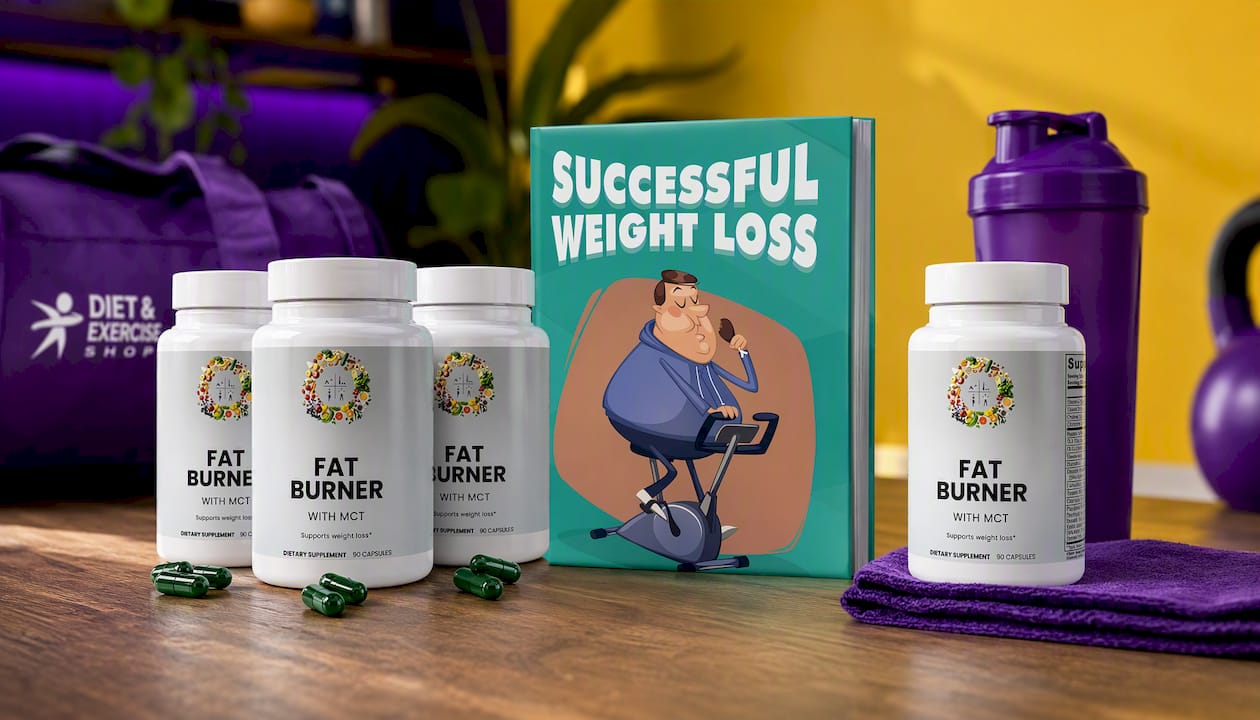
The 3-Pack Fat Burner with MCT Supplements is a packaged option for readers who want a multi-week supply without hunting for individual products. For a single-purchase option, the Fat Burner with MCT is the standalone version. Both are sold directly through Dietexerciseshop.
If you want to build the behavioral and nutritional foundation that makes any supplement more likely to work, the SUCCESSFUL WEIGHT LOSS eBook covers structured diet and behavior strategies in plain language. It is a practical complement to the evidence-based approach outlined in this guide.
Disclosure: These products are sold by Dietexerciseshop. Results vary. Nothing sold here replaces clinical care, and no supplement is a substitute for a caloric deficit achieved through diet and physical activity. If you have a medical condition or take prescription medications, consult your clinician before starting any supplement.
Browse the full supplement and resource catalog at Dietexerciseshop to find the option that fits your current goals.
Useful sources and further reading
The sources below were used in compiling this guide. Each is freely accessible and appropriate for sharing with a clinician.
- NIH Office of Dietary Supplements — Weight Loss Consumer Fact Sheet: Plain-language summaries of evidence and safety for the most common weight-loss supplement ingredients.
- NIH/ODS — Weight Loss Health Professional Fact Sheet: Clinician-level detail on dosing, evidence grades, and safety concerns for each ingredient category.
- FDA — OTC Alli/Orlistat Labeling and Approvals: Official FDA page on the only OTC-approved weight-loss drug, including safety updates.
- PMC — Systematic Review of Dietary Supplements and Alternative Therapies for Weight Loss: The most comprehensive low-bias systematic review of the supplement evidence base; includes DSHEA regulatory context.
- PMC — Adulteration and Safety Concerns in Dietary Supplements: Documents undeclared pharmaceutical adulterants found in weight-loss products and the case for third-party testing.
- StatPearls — Obesity Supplements: Clinician-authored review of supplement evidence, prevalence data, and the importance of provider-patient disclosure.
- PubMed — Caffeine and Glucomannan Evidence Summaries: Search base for the primary trial data behind caffeine metabolic effects and glucomannan weight-loss trials.
- Ohio State Health — Can Supplements Help with Weight Loss?: Accessible clinical perspective on supplements as adjuncts to diet and exercise, not replacements.
- PMC — Trial Quality and Long-Term Evidence for Weight-Loss Supplements: Analysis of methodological limitations in supplement research, including industry-funding bias.
Discuss any of these sources with a licensed clinician before making decisions about supplement use, particularly if you have a chronic condition or take prescription medications.
This guide is general information, not medical advice. Confirm current safety and dosing recommendations with a qualified healthcare provider or pharmacist.
FAQ
Do weight loss supplements actually work?
A small number of ingredients, including caffeine, glucomannan, and orlistat, show modest effects in clinical trials, typically 1–4 kg over 8–12 weeks when combined with dietary changes. No supplement produces clinically meaningful weight loss on its own without a caloric deficit.
What is the only FDA-approved OTC weight loss product?
Alli (orlistat 60 mg) is the only over-the-counter weight-loss product with FDA approval as of 2026. It blocks dietary fat absorption and is approved for adults with a BMI of 25 or higher.
Are natural weight loss supplements safer than synthetic ones?
Not necessarily. “Natural” does not mean safe or free of interactions. Concentrated green tea extract (EGCG) has been linked to liver injury, and bitter orange (synephrine) carries cardiovascular risks similar to the banned stimulant ephedra. Third-party testing and clinician consultation matter more than the natural/synthetic distinction.
How do I know if a supplement label is trustworthy?
Look for third-party testing seals from USP, NSF International, or ConsumerLab, and avoid products that list a proprietary blend without individual ingredient doses. Compare the label dose to the dose used in clinical trials using the NIH/ODS fact sheet as a reference.
Should women consider anything different when choosing supplements?
Yes. Women should be aware that high-dose green tea extract can inhibit iron absorption, that some herbal blends can reduce hormonal contraceptive effectiveness, and that all weight-loss supplements should be avoided during pregnancy and breastfeeding unless a clinician confirms otherwise.