

Struggling For Muscle Gain? 7 Days of Weekly Meal Plan Examples You Can Copy
A muscle gain meal plan works best when it provides enough total food, regular protein servings, and meals you can prepare consistently. Use these seven daily examples as a starting point. Adjust portions to fit your appetite, training schedule, dietary needs, and weight trend.
Set a starting target
Muscle gain depends on progressive resistance training, recovery, and adequate nutrition. A meal plan cannot guarantee that all weight gained will be muscle.
- Protein: A useful daily range for many people who lift is about 1.6–2.2 g per kilogram of body weight. For a 75 kg person, that is roughly 120–165 g per day.
- Meals: Spread protein across three to five meals or snacks. Aim for a substantial protein source at each meal.
- Calories: Start with a modest surplus, often around 200–300 calories above estimated maintenance, and monitor your progress.
- Adjustments: Compare weekly average body weight, not just individual weigh-ins. If weight is not increasing after two or three weeks, add a small portion of food each day. If it is rising faster than intended, reduce portions slightly.
These are general starting points, not individualized nutrition advice. Calorie and protein needs differ by body size, age, activity, training, and health status.
How to use this weekly meal plan for gaining muscle
Each day below includes four eating occasions. Choose portions that help you meet your individual calorie and protein needs. As a practical guide, build main meals around a palm-sized serving of chicken, fish, lean meat, eggs, tofu, or another protein food; include a grain, potato, bread, or beans; and add vegetables or fruit.
Use the same meal components across multiple days to simplify shopping and preparation. Cooked weights and nutrition values vary by ingredients and brands, so use package labels or a food tracker if you need more precise portions.
Day 1
- Breakfast: Oats cooked with milk, Greek yogurt, banana, and peanut butter.
- Lunch: Grilled chicken, rice, mixed vegetables, and olive oil.
- Snack: Cottage cheese with berries and granola.
- Dinner: Lean beef and bean chili with baked potatoes and salad.

Day 2
- Breakfast: Eggs on whole-grain toast, Greek yogurt, and fruit.
- Lunch: Turkey and cheese sandwich or wrap with hummus and vegetables.
- Snack: Smoothie made with milk, oats, banana, and Greek yogurt or protein powder.
- Dinner: Salmon, pasta, vegetables, and a drizzle of olive oil.
Day 3
- Breakfast: Greek yogurt with oats or granola, berries, and nuts.
- Lunch: Chicken or tofu stir-fry with rice, edamame, and mixed vegetables.
- Snack: Cottage cheese with pineapple and whole-grain crackers.
- Dinner: Lean beef, turkey, or lentil pasta with tomato sauce, Parmesan, and salad.
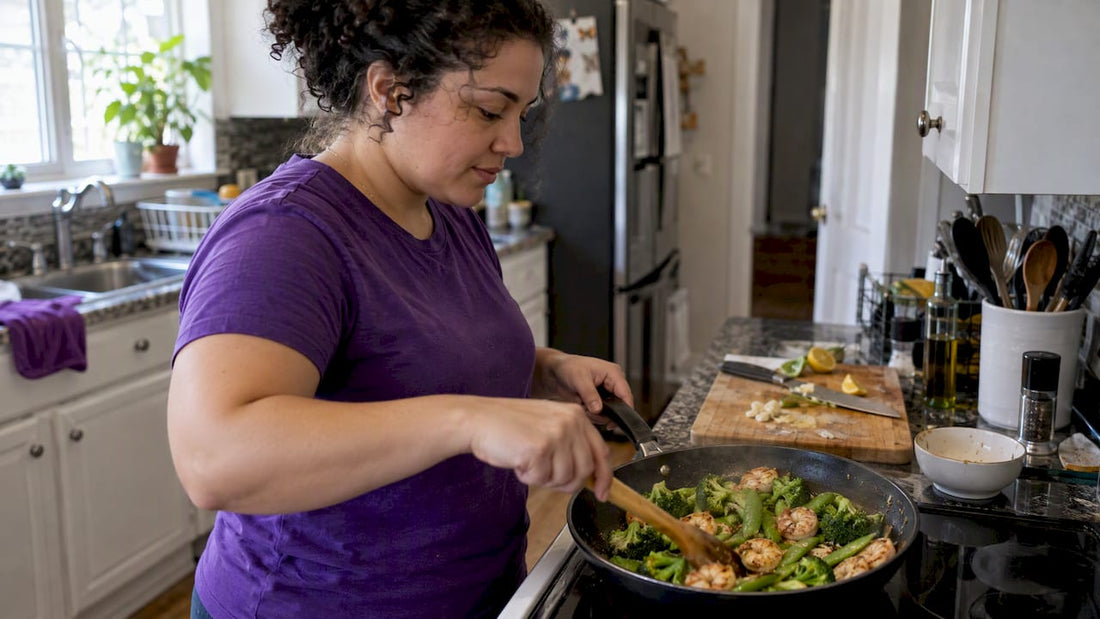
Day 4
- Breakfast: Overnight oats with milk, chia seeds, berries, and Greek yogurt or soy yogurt.
- Lunch: Tuna and chickpea potato bowl with vegetables and yogurt dressing.
- Snack: Peanut butter sandwich and a glass of milk.
- Dinner: Chicken fajitas with tortillas, beans, rice, cheese, and salsa.
Day 5
- Breakfast: Egg-and-cheese breakfast burrito with fruit and milk.
- Lunch: Beef or tempeh rice bowl with vegetables and avocado.
- Snack: Greek yogurt with cereal and nuts.
- Dinner: Pork tenderloin, potatoes, and vegetables. Add cottage cheese if you need another protein serving.
Day 6
- Breakfast: Whole-grain pancakes with Greek yogurt, berries, and nut butter.
- Lunch: Salmon or tofu bowl with rice, edamame, and vegetables.
- Snack: Smoothie made with milk or soy milk, oats, fruit, and Greek yogurt or protein powder.
- Dinner: Chicken or chickpea curry with rice, vegetables, and yogurt.

Day 7
- Breakfast: Oatmeal made with milk, eggs on toast, and fruit.
- Lunch: Bean-and-cheese burrito bowl with rice, salsa, and avocado. Add chicken or tofu if needed.
- Snack: Skyr, Greek yogurt, or cottage cheese with fruit and granola.
- Dinner: Choose lean beef, turkey, fish, tofu, or seitan with pasta or potatoes and vegetables.
Adjust the portions to your needs
The menus are examples, not fixed calorie prescriptions. Use these portion changes to increase or reduce meal energy:
- Add or remove a serving of rice, pasta, oats, bread, or potatoes.
- Add milk, yogurt, nuts, olive oil, or nut butter when you need more energy.
- Use a larger or smaller portion of the main protein to adjust protein intake.
- Include fruit or vegetables according to preference and appetite.
Make one small adjustment at a time, then review your weekly average weight and training performance. If you have a medical condition or need a precise plan, consult a registered dietitian or qualified healthcare professional.
Make preparation easier
Prepare a few ingredients in batches rather than cooking seven completely different meals. Cook a grain, roast or wash vegetables, and prepare two protein options. Store sauces and calorie-dense additions separately so you can adjust portions when serving.
For more meal ideas, see the macro-friendly recipes guide. Diet and training eBooks and digital guides are also available in the eBooks and digital guides collection.
Frequently asked questions
How many meals should I eat to gain muscle?
There is no required meal count. Three to five meals or snacks can make it easier to distribute protein and meet your daily energy needs. Choose a schedule you can maintain.
Do I need a protein shake?
No. A shake is a convenient option, not a requirement. Foods such as dairy, eggs, meat, fish, beans, tofu, and lentils can all contribute protein.
What if my weight is not increasing?
Check your weekly average over two or three weeks. If it remains stable and your goal is gradual weight gain, add a small daily serving (such as more oats, rice, milk, or yogurt) and continue monitoring.
Can I follow the plan without meat?
Yes. Use tofu, tempeh, beans, lentils, edamame, eggs, dairy, or soy products in place of meat or fish. Include a protein source at each meal and adjust portions to meet your daily target.
Next steps
Choose meals from the seven-day plan, make a grocery list, and prepare a few ingredients in advance. Track your weight trend and adjust portions gradually. Use the exercise equipment collection to browse home training tools that can support a consistent resistance-training routine.