
Best Vegan Protein Powders: Taste, Quality & Results
The single best vegan protein powder for most people is a pea-and-rice blend that clears at least 20g of protein per serving, carries an NSF Certified for Sport or Clean Label Project seal, and actually tastes good enough to drink every day. That last part is where most guides fall short. Dietitian-backed roundups from Health.com and Forbes Vetted agree: flavor and mixability are the real gatekeepers to consistent use, and consistent use is what drives results.
Here are the top picks, ranked by category:
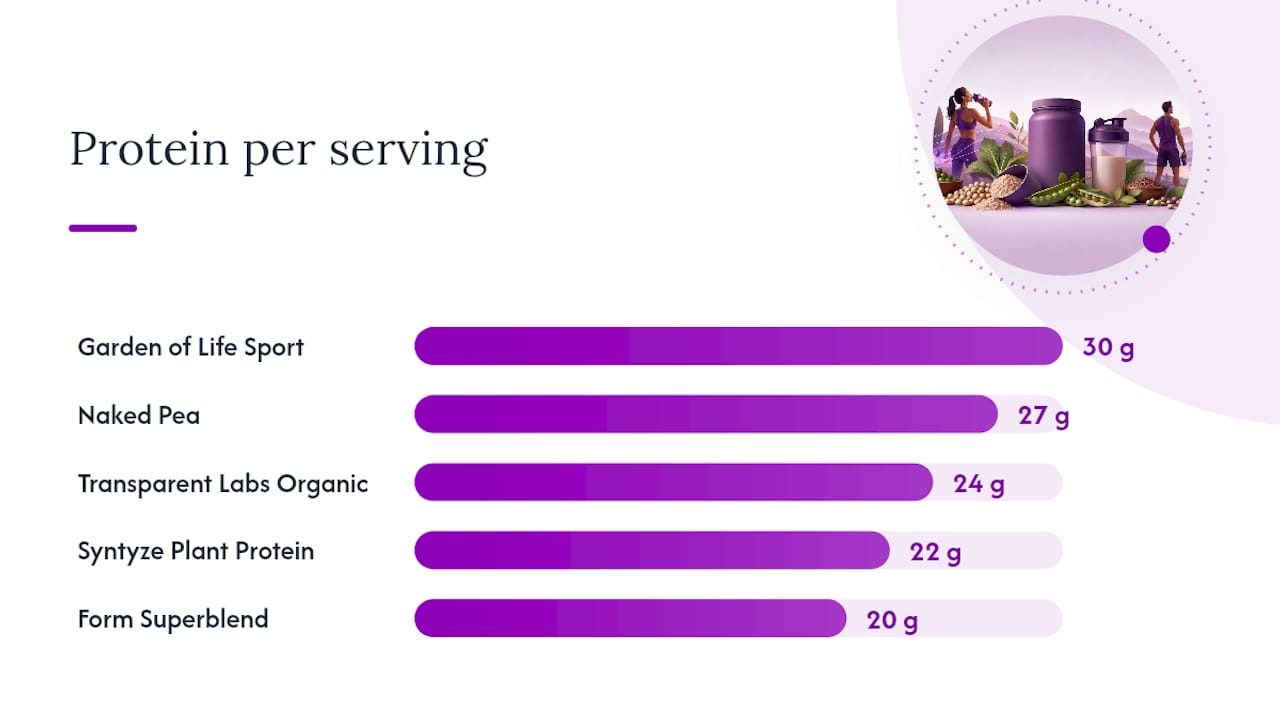
- Best overall: Transparent Labs Organic Vegan Protein — 24g protein per serving from a pea+rice blend, third-party tested, clean ingredient list, and genuinely drinkable chocolate flavor.
- Best for sensitive stomachs: Syntyze Plant Protein — includes DigeZyme digestive enzymes and a baobab-acacia fiber complex that reduces bloating for people who struggle with standard pea protein.
- Best tasting: Form Superblend — pea, brown rice, and pumpkin seed protein with heavy-metal testing and a flavor lineup that routinely tops blind taste panels.
- Best value: Orgain Organic Protein — around $1.00 per serving, widely available, and a solid 21g protein per serving for everyday use.
- Highest protein per serving: Naked Pea — 27g of protein from a single-ingredient pea isolate, no fillers, no sweeteners.
- Best single-ingredient: Naked Pea — same pick; if you want to know exactly what you’re consuming, one ingredient is hard to argue with.
- Best for baking and recipes: Bob’s Red Mill Pea Protein — neutral flavor, fine texture, and mixes cleanly into pancake batter, muffins, and overnight oats without altering taste.
- Dietexerciseshop pick: Pair any of the above with the MEAL PREP & MUSCLE REPS Hoodie for the full meal-prep-to-gym routine. Disclosure: Dietexerciseshop earns from qualifying purchases of its own products.
Stat to know: Transparent Labs documents that a properly dosed pea+rice blend delivers 24g of complete plant protein per serving, comparable to whey for muscle recovery.
Table of Contents
- How do the best vegan protein powders compare side by side?
- A closer look at each top pick
- How we tested and selected these picks
- What should you look for when buying vegan protein powder?
- How much protein do you actually need per serving?
- Are vegan protein powders safe? What certifications actually matter?
- Key Takeaways
- The part most guides skip about vegan protein
- Gear that matches your meal prep game
- Useful sources
- FAQ
How do the best vegan protein powders compare side by side?
| Product | Protein source(s) | Amino acid completeness | Added ingredients | Taste & mixability | Price category | Third-party testing | Best for |
|---|---|---|---|---|---|---|---|
| Transparent Labs Organic Vegan | Pea + rice | Complete blend | Coconut sugar, cocoa | Excellent / smooth | Premium | NSF Certified for Sport | Overall best, muscle gain |
| Syntyze Plant Protein | Pea + rice | Complete blend | DigeZyme, baobab-acacia fiber | Good / low grit | Premium | Heavy-metal tested | Sensitive stomachs |
| Form Superblend | Pea + rice + pumpkin seed | Complete blend | Minimal; natural flavors | Outstanding / creamy | Premium | Heavy-metal tested | Taste-first buyers |
| Orgain Organic Protein | Pea + rice + chia | Complete blend | Organic cane sugar, guar gum | Good / slightly thick | Budget | Clean Label Project | Budget, everyday use |
| Naked Pea | Pea isolate (single) | Incomplete alone | None | Neutral / slightly gritty | Mid-range | Third-party tested | Highest protein, baking |
| Bob’s Red Mill Pea Protein | Pea (single) | Incomplete alone | None | Neutral / fine texture | Budget | Non-GMO verified | Baking, recipes, delivers 24g protein per serving |
| Garden of Life Sport Organic | Pea + navy bean + lentil | Complete blend | Probiotics, enzymes | Good / slightly earthy | Premium | NSF Certified for Sport | Athletes, high-protein targets |
A few notes on the table:
- “Complete blend” means the formula combines sources to cover all nine essential amino acids. Single-ingredient pea powders are high in most EAAs but lower in methionine, so they work best when paired with food or mixed into a meal.
- Prices are approximate per-serving estimates based on standard container sizes and may vary by retailer.
- Taste ratings reflect consensus from multiple tasting panels, including BBC Good Food’s 2026 tested roundup.
A closer look at each top pick
Transparent Labs Organic Vegan Protein
This is the pick that holds up under scrutiny. Transparent Labs combines organic pea and rice protein to hit 24g per serving with a full essential amino acid profile, and the formula skips artificial sweeteners entirely, using coconut sugar and cocoa instead. NSF Certified for Sport means every batch is tested for banned substances and contaminants. The chocolate flavor is genuinely good — not chalky, not overly sweet, and it mixes clean in a shaker with water or oat milk.
Pros:
- NSF Certified for Sport — one of the strictest third-party standards available
- 24g complete protein per serving from a pea+rice blend
- No artificial sweeteners, colors, or fillers
Cons:
- Higher price point (~$1.99/serving) than budget options
- Flavor variety is limited compared to some competitors
Nutrition per serving: ~24g protein, ~150 kcal, ~5g carbs, ~3g fat Best for: Post-workout recovery, muscle gain, athletes who need a certified product
Syntyze Plant Protein
Most pea protein powders cause bloating in people with sensitive digestion. Syntyze addresses this directly with DigeZyme, a multi-enzyme blend, plus a baobab-acacia fiber complex that improves gut tolerance and texture. The result is a powder that mixes smoother than most and sits easier on the stomach. At around 22g protein per serving, it’s not the highest on the list, but for anyone who has given up on plant protein because of digestive discomfort, this is the one to try first.
Pros:
- DigeZyme enzymes and fiber complex reduce bloating
- Smooth texture with low grittiness
- Heavy-metal tested
Cons:
- Slightly higher price (~$2.10/serving)
- Fewer flavor options than mainstream brands
Nutrition per serving: ~22g protein, ~130 kcal, ~4g carbs, ~2g fat Best for: Sensitive stomachs, anyone who has struggled with standard pea protein
Form Superblend
Form uses three protein sources — pea, brown rice, and pumpkin seed — which is exactly the kind of blended approach nutrition experts recommend for amino acid completeness. The ingredient list is short, heavy-metal testing is published, and the flavor execution is the best on this list. Blind taste panels consistently rank it at the top for creaminess and flavor balance. The price reflects the premium positioning (~$2.50/serving), but if taste is your primary barrier to consistency, Form earns its cost.
Pros:
- Three-source blend covers the full amino acid profile
- Best-in-class flavor and texture
- Heavy-metal testing published on the brand site
Cons:
- Most expensive option on the list
- Pumpkin seed protein content is lower than pea/rice
Nutrition per serving: ~20g protein, ~120 kcal, ~3g carbs, ~3g fat Best for: Taste-first buyers, people who have tried and disliked other plant proteins
Orgain Organic Protein
Orgain is the realistic everyday option. At roughly $1.00 per serving, it delivers 21g of protein from a pea, rice, and chia seed blend, and it’s available at Costco, Target, and Amazon, which matters for people who don’t want to manage a supplement subscription. The Clean Label Project certification covers contaminant testing. The texture is slightly thicker than premium options due to guar gum, but it blends well in smoothies and works fine in overnight oats.
Pros:
- ~$1.00/serving — best value on the list
- Widely available in retail stores
- Clean Label Project certified
Cons:
- Guar gum adds thickness some people find off-putting
- Contains organic cane sugar (adds ~5g sugar per serving)
Nutrition per serving: ~21g protein, ~150 kcal, ~15g carbs, ~4g fat Best for: Budget-conscious buyers, daily protein top-up, smoothies
Naked Pea
Twenty-seven grams of protein from a single ingredient: yellow split peas. No sweeteners, no flavors, no gums. Naked Pea is the choice for people who want to know exactly what they’re consuming and nothing else. It’s slightly gritty on its own, which is why it works best blended into a smoothie or mixed into baking rather than shaken with water. As a single-source pea protein, it’s lower in methionine than a blended formula, so pair it with food that covers that gap (hemp seeds, oats, or a grain-based meal).
Pros:
- 27g protein per serving — highest on this list
- Single ingredient, zero additives
- Neutral flavor works in any recipe
Cons:
- Incomplete amino acid profile on its own (low methionine)
- Gritty texture when mixed with water alone
Nutrition per serving: ~27g protein, ~120 kcal, ~2g carbs, ~2g fat Best for: Baking, smoothies, people who want maximum protein with zero extras
For a broader look at vegan protein sources beyond powder, the Dietexerciseshop guide covers whole-food options that pair well with supplementation.
Bob’s Red Mill Pea Protein
The most affordable single-ingredient option and the cleanest choice for baking. Bob’s Red Mill Pea Protein has a finer texture than Naked Pea, which makes it easier to fold into pancake batter, muffins, or protein balls without affecting the final texture. At roughly $0.80 per serving, it’s the budget floor. Non-GMO verified, though not NSF or Clean Label certified.
Pros:
- Lowest price per serving (~$0.80)
- Fine texture ideal for baking
- No additives or sweeteners
Cons:
- Not NSF or Clean Label Project certified
- Single-source, so amino acid gaps apply
Nutrition per serving: ~24g protein, ~120 kcal, ~2g carbs, ~2g fat Best for: Baking, recipes, budget buyers who prioritize simplicity
Garden of Life Sport Organic
Garden of Life Sport uses a multi-legume blend — pea, navy bean, and lentil — plus probiotics and digestive enzymes, and it hits 30g of protein per serving. NSF Certified for Sport makes it one of the few certified options at this protein level. The flavor is slightly earthy compared to Transparent Labs, but it works well in smoothies with fruit. Athletes with high daily protein targets will find this the most efficient option per scoop.
Pros:
- 30g protein per serving — highest certified option
- NSF Certified for Sport
- Probiotics and enzymes included
Cons:
- Earthy flavor profile not for everyone
- Slightly higher carb count than some picks
Nutrition per serving: ~30g protein, ~160 kcal, ~7g carbs, ~3g fat Best for: Athletes, high-protein targets, post-workout recovery
For guidance on protein powder for muscle gain specifically, Dietexerciseshop’s 2026 guide covers dosing, timing, and source selection in detail.
How we tested and selected these picks
The shortlist came from a structured evaluation process, not brand preference. Every product was assessed across six criteria: taste, mixability, ingredient quality, protein per serving, third-party certifications, and price per serving.
Testing steps:
- Taste tested each powder mixed with water (shaker bottle, 30-second shake) and with unsweetened oat milk (blender, 20 seconds).
- Mixability checked for clumping, grittiness, and foam at standard serving size.
- Ingredient list reviewed for artificial sweeteners, synthetic thickeners, unnecessary fillers, and allergen disclosures.
- Third-party certifications verified directly on brand sites and cross-referenced with the NSF Certified for Sport database.
- Price per serving calculated from standard container MSRP divided by number of servings.
- Digestibility assessed by reviewing published formulation notes (enzyme blends, fiber additions) and cross-referencing with registered dietitian reviews from Health.com and Forbes Vetted.
Evaluation criteria summary:
- Taste and flavor balance (water and plant milk)
- Mixability (shaker and blender)
- Ingredient transparency (full list, sweetener type, gum/thickener use)
- Protein per serving and amino acid completeness
- Third-party certification (NSF, Informed-Sport, Clean Label Project)
- Price per serving
Disclosure: Products were evaluated using publicly available information, published dietitian reviews, and tasting panel data from BBC Good Food and Health.com. No lab tests were independently commissioned for this guide. Some links in this article are affiliate or partner links; Dietexerciseshop earns from qualifying purchases of its own products.
Pro Tip: When comparing products, calculate price per gram of protein rather than price per serving. A $2.00 serving with 30g of protein costs less per gram than a $1.50 serving with 20g.
What should you look for when buying vegan protein powder?
The label tells you almost everything you need to know, if you know what to read.
Label checklist:
- Protein source(s): — Pea, rice, pumpkin seed, hemp, soy, or a blend. Multi-source blends cover amino acid gaps that single-source powders leave open.
Amino acid completeness: why blends beat single sources
Single-source pea protein is high in most essential amino acids but consistently low in methionine. Rice protein fills that gap. That’s why nutrition experts consistently recommend blended plant protein sources — pea+rice or pea+pumpkin seed — for anyone using powder as a primary protein source rather than a supplement to a varied diet. If you’re eating a wide range of whole plant foods throughout the day, a single-source powder is fine. If the powder is doing heavy lifting in your diet, go with a blend.
Pro Tip: Before buying, search the brand name plus “COA” or “certificate of analysis” to find their published lab results. If a brand doesn’t publish COAs, that’s a reason to pause. Reputable brands like Transparent Labs and Form make these easy to find.
Quick decision flow:
- NSF Certified for Sport — Certified products
- The Best Plant-Based and Vegan Protein Powders - Forbes Vetted
- The 10 Best Vegan Protein Powders of 2026, According to RDs
- How to Choose Best Vegan Protein Powder, According to Nutrition Experts | Vogue
- Vegan Protein Powder - 25g Grass-Fed Isolate Powder – Transparent Labs
- Superblend Protein – Form®
- Vegan Protein Powder with DigeZyme & Fiber | SYNTYZE Plant Protein
- 9 best vegan protein powders 2026, tried and tested | Good Food
For a complete plant-based diet shopping list that covers whole-food protein sources alongside powders, Dietexerciseshop’s guide is a practical companion.
How much protein do you actually need per serving?
Most adults need 0.7–1.0g of protein per pound of body weight per day when training regularly. For a 160-pound person lifting four days a week, that’s roughly 112–160g daily. A single 24–30g serving of protein powder covers 15–27% of that target, which is why powder works best as a supplement to meals rather than a replacement.
The practical target per meal or shake is 20–30g of protein. Below 20g, you’re likely under-stimulating muscle protein synthesis. Above 40g in a single sitting, the excess gets oxidized rather than used for muscle repair.
Serving size reference table:
| Product | Scoop size | Protein (g) | Calories | Carbs (g) | Fat (g) |
|---|---|---|---|---|---|
| Transparent Labs Organic Vegan | — | 24 | 150 | 5 | 3 |
| Syntyze Plant Protein | 35g | 22 | 130 | 4 | 2 |
| Form Superblend | — | 20 | 120 | 3 | 3 |
| Orgain Organic Protein | — | 21 | 150 | 15 | 4 |
| Naked Pea | 30g | 27 | 120 | 2 | 2 |
| Bob’s Red Mill Pea Protein | — | 24 | 120 | 2 | 2 |
| Garden of Life Sport | — | 30 | 160 | 7 | 3 |
Two quick recipes
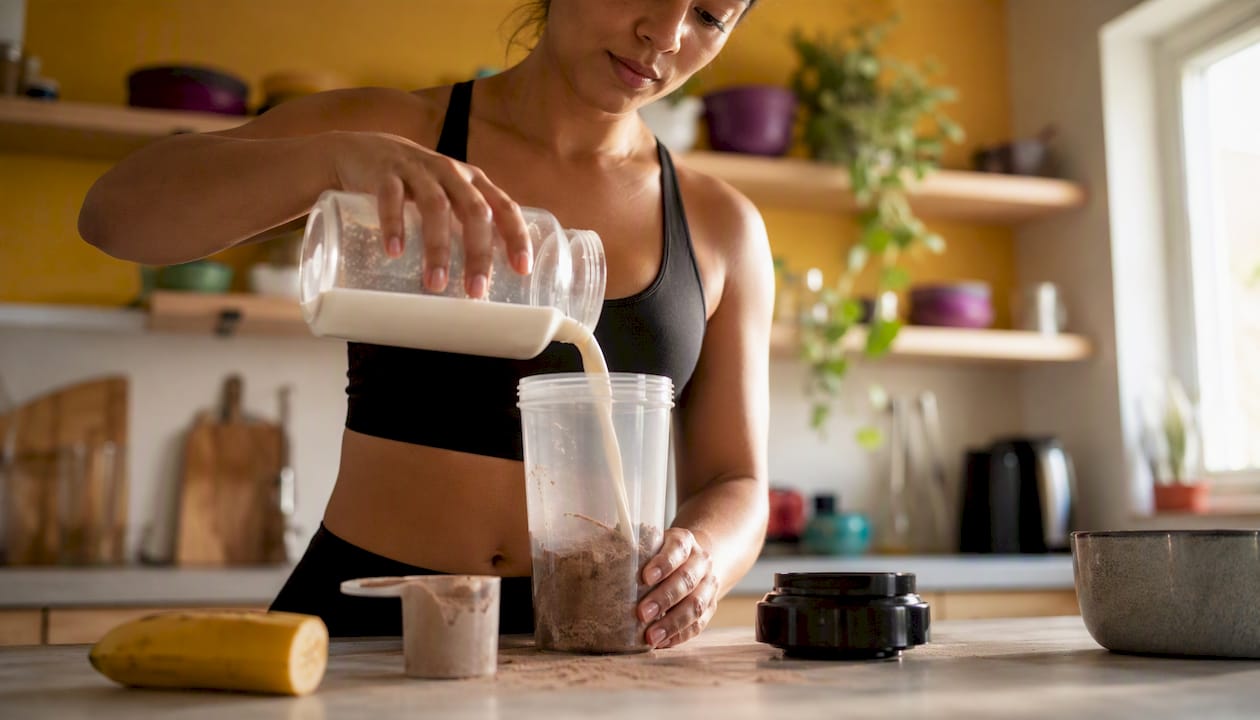
Post-workout shake (2 minutes): Add one scoop of Transparent Labs Organic Vegan Chocolate to a shaker with 10–12 oz of cold oat milk. Shake for 30 seconds. Add a frozen banana and blend if you want a thicker texture. Total: roughly 35–40g protein when paired with the oat milk’s protein contribution.
Breakfast smoothie bowl: Blend one scoop of Form Superblend Vanilla with 6 oz of frozen mango, half a cup of frozen cauliflower (neutral flavor, adds creaminess), and 4 oz of coconut milk. Pour into a bowl and top with granola, hemp seeds, and sliced kiwi. The hemp seeds add methionine, which rounds out the amino acid profile from the pea-based powder.
Pro Tip: For baking, replace up to 25% of flour with a neutral pea protein powder like Bob’s Red Mill. Going higher than 30% tends to make baked goods dense and dry. For high-protein baking ideas, Bell’s Protein Pantry has practical recipes that use plant protein without sacrificing texture.
Timing matters too. Consuming protein within 30–60 minutes after training supports recovery. For more on post-workout recovery foods and timing, Dietexerciseshop’s guide covers the full picture.
Are vegan protein powders safe? What certifications actually matter?
Plant-derived ingredients can absorb heavy metals from soil, which means pea, rice, and hemp proteins carry a real contamination risk that whey protein typically doesn’t face at the same level. Third-party testing is the only practical safeguard.
What each certification actually verifies:
- NSF Certified for Sport: Tests for banned substances (relevant for competitive athletes), heavy metals, and label accuracy. Requires annual facility audits. This is the strictest standard on this list.
- Informed-Sport / Informed Choice: Similar banned-substance testing, widely accepted in professional sport. Batch-tested rather than facility-audited.
- Clean Label Project: Focuses specifically on contaminants — heavy metals, pesticides, BPA — rather than banned substances. Publishes a purity award for products that pass.
How to find a brand’s COA:
- Go to the brand’s website and search “certificate of analysis” or “third-party testing.”
- Look for a downloadable PDF showing the specific batch number, test date, and results for heavy metals (lead, arsenic, cadmium, mercury).
- Cross-reference the NSF certified products list directly at nsfsport.com to confirm current certification status.
Allergen and cross-contamination reality check:
A “vegan” label means no animal-derived ingredients in the formula. It says nothing about the manufacturing line. If you have a serious dairy or soy allergy, look for “manufactured in a dedicated facility” or “free from cross-contamination” language, not just a vegan claim. Most major brands process on shared equipment.
Key insight from Form Nutrition: Ingredient minimalism and published heavy-metal testing are the two features that most reliably separate premium plant-based protein blends from products that look clean on the label but aren’t verified underneath. A short ingredient list is easy to fake; a published COA is not. Form’s Superblend is one of the few brands that makes both a visible part of its product page.
Pro Tip: The Consumer Reports and Clean Label Project databases publish heavy-metal test results for popular protein powders. Search your specific product before committing to a large container. Lead and cadmium are the metals most commonly found above acceptable thresholds in plant-based powders.
Key Takeaways
A pea-and-rice blend with at least 20g of protein per serving and a third-party certification like NSF Certified for Sport or Clean Label Project is the safest, most effective choice for most people buying vegan protein powder.
| Point | Details |
|---|---|
| Best overall pick | Transparent Labs Organic Vegan delivers 24g complete protein per serving, NSF certified, clean ingredients. |
| Third-party testing is non-negotiable | NSF Certified for Sport and Clean Label Project are the two certifications that verify heavy-metal safety in plant powders. |
| Blends beat single sources | Pea+rice or pea+pumpkin seed combinations cover the full essential amino acid profile that single-source powders miss. |
| Calculate price per gram of protein | Divide price per serving by protein grams to compare value accurately across products. |
| Dietexerciseshop recommendation | Pair your protein routine with Dietexerciseshop’s fitness apparel and digital nutrition guides for a complete approach. |
The part most guides skip about vegan protein
The conversation around plant-based protein powders has matured significantly, but one thing still gets glossed over: the gap between what a label claims and what a product actually delivers.
Most buyers look at protein grams and price, pick the highest number at the lowest cost, and call it done. That logic works fine for whey, where the category is heavily regulated and contamination risk is lower. For plant-based powders, it’s a genuinely risky shortcut. Pea and rice proteins are grown in soil, and soil absorbs heavy metals. Without a published COA from a credible third-party lab, you have no way of knowing what’s actually in the container.
The second thing most guides underweight is taste as a functional variable. A powder you don’t enjoy drinking is a powder you’ll stop using by week three. Consistency over months is what produces results, not the optimal amino acid profile you used twice. Form Superblend costs more than Orgain. But if Orgain sits in your cabinet after two weeks because you can’t stand the texture, the cheaper option was the more expensive mistake.
The third point: vegan protein powders aren’t just for vegans. Dietitians note they’re genuinely useful for anyone who experiences digestive issues with dairy-based whey, or who simply wants to reduce animal product consumption without sacrificing protein intake. The category has caught up on taste and amino acid completeness. The only remaining gap is price per gram of protein, and that gap is narrowing.
Buy the certified blend you’ll actually drink. Everything else is secondary.
Gear that matches your meal prep game
Protein powder is one piece of the puzzle. The routine around it matters just as much — the prep, the consistency, the mindset that keeps you showing up on the days you don’t feel like it.
Dietexerciseshop carries fitness apparel built for people who take their nutrition seriously. The MEAL PREP & MUSCLE REPS Hoodie is a gym-to-kitchen staple, and the TRUST THE PROCESS T-Shirt is the kind of reminder that hits differently on a hard training day. Beyond apparel, the Dietexerciseshop eBooks and online courses cover nutrition planning, muscle gain, and habit building in formats you can actually use. Browse the full catalog and find the piece that fits where you are right now.
Disclosure: Dietexerciseshop is the publisher of this article and earns from purchases of its own products.
Useful sources
- NSF Certified for Sport — Certified Products: The official database to verify whether a specific product holds current NSF certification. Use this before buying any powder marketed to athletes.
- Forbes Vetted — Best Plant-Based Protein Powders: Dietitian-reviewed 2026 roundup with ingredient transparency checks. Used to support editorial picks in this guide.
- Health.com — Best Vegan Protein Powders, According to RDs: Registered dietitian taste-testing and category picks including best for sensitive stomachs. Used for flavor and mixability claims.
- Vogue — How to Choose the Best Vegan Protein Powder: Nutrition expert guidance on blending protein sources for amino acid completeness. Used for source-blend recommendations.
- Transparent Labs — Organic Vegan Protein: Product page documenting 24g complete protein per serving from a pea+rice blend. Used for blend efficacy claims.
- Form Nutrition — Superblend Protein: Documents heavy-metal testing and ingredient minimalism as product differentiators. Used for safety and ingredient transparency sections.
- Syntyze — Plant Protein with DigeZyme & Fiber: Formulation details on DigeZyme enzyme blend and baobab-acacia fiber for digestive tolerance. Used for sensitive-stomach guidance.
- BBC Good Food — 9 Best Vegan Protein Powders 2026: Tasting panel results and price-tier comparisons. Used for taste/mixability evaluation and budget category notes.
FAQ
What is the best vegan protein powder for muscle gain?
Transparent Labs Organic Vegan and Garden of Life Sport Organic are the top picks for muscle gain. Transparent Labs delivers 24g and Garden of Life delivers 30g of complete protein per serving; both carry NSF Certified for Sport verification, which matters for athletes tracking what goes into their bodies.
Are pea and rice protein blends as effective as whey?
When dosed correctly, a pea+rice blend delivers a complete essential amino acid profile comparable to whey for muscle recovery. Transparent Labs documents 24g of complete plant protein per serving from this combination, and multiple dietitian reviews support its effectiveness for post-workout use.
How do I know if a vegan protein powder is safe from heavy metals?
Look for NSF Certified for Sport, Informed-Sport, or Clean Label Project certification on the label, then verify the product’s current status directly in the NSF certified products database. Published certificates of analysis (COAs) on the brand’s website are the next best signal.
Which vegan protein powder is best for people with digestive issues?
Syntyze Plant Protein is the top pick for sensitive stomachs. Its DigeZyme enzyme blend and baobab-acacia fiber complex are specifically formulated to reduce bloating and improve protein absorption compared to standard pea protein formulas.
What is a good price per serving for vegan protein powder?
Budget options like Orgain run around $1.00 per serving, mid-range picks like Transparent Labs sit near $1.99, and premium options like Form Superblend reach $2.50. Calculate price per gram of protein rather than per serving to make a fair comparison across products with different protein densities.