

Whey Hydrolysate vs Isolate: Faster Absorption, Same Gains
Whey isolate is the sensible default for most people lifting weights: it delivers high protein purity per scoop at a lower cost than hydrolysate, and it builds muscle just as effectively when protein and leucine intake match. Whey hydrolysate absorbs faster but rarely produces superior muscle growth over a full recovery window. Save it for narrow cases: severe gut sensitivity, clinical recovery under supervision, or back-to-back same-day training sessions where every extra minute of digestion counts.
TL;DR:
- Lifters need 1.6 to 2.2 grams of protein per kilogram daily, spread across three to five servings, each providing 2.5 to 3 grams of leucine.
- Hydrolysate typically costs 20% to 50% more per serving; check whether concentrate leads the ingredients, since blends can carry a hydrolyzed label.
- Anyone with a true milk allergy should avoid all whey forms unless a doctor specifically clears a clinical formula; sports hydrolysates are not automatically hypoallergenic.
- People with mild lactose intolerance often tolerate isolate or hydrolysate better than concentrate, but responses vary and labels may not disclose exact lactose amounts.
Table of Contents
- What Whey Is and How Concentrate, Isolate, and Hydrolysate Differ
- Filtration vs Enzymatic Hydrolysis: What Actually Happens During Processing
- Protein Content, Leucine, and How Much You Actually Need
- Absorption Speed: When the Faster Rise Actually Matters
- Who Should Actually Choose Isolate, Hydrolysate, or Concentrate
- Cost, Taste, and Label Tricks Worth Watching For
- Where to Learn More and Practical Tips From Our Team
- Allergy and Intolerance Differences Between Hydrolysate and Isolate
- Common Additives You’ll Find in Protein Powder Ingredient Lists
- Sustainability Considerations in Whey Protein Production
- Author Perspective: Evidence, Budget, and What Actually Moves the Needle
- Build Your Routine With Gear That Keeps You Motivated
- FAQ
- Sources
What Whey Is and How Concentrate, Isolate, and Hydrolysate Differ
Whey comes from milk, separated out as a liquid byproduct during cheese production, then dried into powder. Three forms dominate the supplement shelf, and they differ mainly in how much they are filtered or broken down after that initial separation.
- Concentrate retains more lactose and fat, typically offering lower protein content by weight.
- Isolate goes through extra filtering to strip out most lactose and fat, resulting in higher protein content.
- Hydrolysate starts as isolate or concentrate, then gets broken into smaller peptide chains through enzymatic hydrolysis.
If you tolerate dairy fine and want to save money, concentrate works for shakes, pancakes, or oatmeal where a slightly thicker, creamier texture is a feature rather than a problem.
Filtration vs Enzymatic Hydrolysis: What Actually Happens During Processing
Isolate gets there through cross-flow microfiltration or ion-exchange, both of which strip lactose, fat, and minerals while concentrating protein. Hydrolysate takes an extra step: manufacturers add proteases, enzymes that snip the protein into shorter peptide chains before drying.
That snipping is measured as degree of hydrolysis, or DH%, which can range from roughly 5 to 30% depending on how aggressively a company breaks the protein down. A higher DH% means smaller peptides, faster gastric emptying, and noticeably more bitterness, according to research on hydrolysate processing and absorption. Most labels never print the actual DH% figure, which makes taste and ingredient transparency the closest thing you get to a label proxy.
- Lower lactose and fat in both isolate and hydrolysate generally mean easier digestion for people with mild intolerance.
- Smaller peptide chains in hydrolysate can reduce bloating for some people, though individual response varies.
- Protein-by-difference and ingredient order on the label tell you more than marketing claims on the front of the tub.
Pro Tip: Check the ingredients list first: if “whey protein concentrate” appears before “whey protein hydrolysate,” you’re paying a premium for a product that’s mostly concentrate.
Protein Content, Leucine, and How Much You Actually Need
Concentrate typically offers lower protein content by weight compared to isolate and hydrolysate, which both provide relatively high protein purity per serving. What matters just as much as the total is leucine, the amino acid that triggers muscle protein synthesis.
A serving needs sufficient leucine—generally between 2.5 and 3 grams—to meaningfully trigger muscle protein synthesis, a threshold both isolate and hydrolysate meet comfortably at standard scoop sizes, according to reviewed anabolic outcome data. A standard scoop of either form typically clears that bar on its own.
For daily planning, most resistance-trained adults do well targeting 1.6 to 2.2 grams of protein per kilogram of body weight, spread across three to five servings. That usually means two to three protein shakes layered on top of whole-food meals, not one giant post-workout scoop trying to do all the work.

Absorption Speed: When the Faster Rise Actually Matters
Hydrolysate’s smaller peptides get absorbed faster, typically peaking in plasma amino acids earlier than isolate. Tracer studies show hydrolysate produces a noticeably higher initial rise in amino acids during the first hour, according to research comparing whey isoforms.
That early spike sounds decisive until you look at the full recovery window. Gold-standard infusion studies measuring integrated muscle protein synthesis over several hours find no consistent difference between isolate and hydrolysate once total protein and leucine are matched.
- Intra-workout sipping, where you want amino acids circulating during a long session, is one case where faster kinetics could help.
- Same-day double sessions, like a morning lift followed by an evening match, give hydrolysate’s speed a real practical edge.
- Clinical recovery settings, such as post-surgical rehabilitation under a practitioner’s guidance, sometimes favor faster-absorbing protein for specific reasons tied to the patient’s condition.
Outside those scenarios, the 15 to 30 minute head start rarely changes your results across a normal training week.
Who Should Actually Choose Isolate, Hydrolysate, or Concentrate
Your goals, gut, and budget should drive this decision more than marketing copy on the tub — see our practical guide to the best protein powder for muscle gain for detailed comparisons.
- Pick isolate as your default if you’re a typical resistance-trained adult: it’s low in lactose, high in protein per scoop, and costs noticeably less than hydrolysate for essentially the same muscle-building outcome.
- Pick hydrolysate if you have severe gastrointestinal sensitivity to protein, train multiple sessions in one day with a short recovery window between them, or you’re an older adult dealing with anabolic resistance where a sharper leucine spike may help overcome blunted muscle protein synthesis, a case some practitioner guidance supports for that specific population.
- Pick concentrate if you have no lactose sensitivity and want the lowest cost per gram of protein, especially for baking, cooking, or casual shakes where texture and taste matter more than ultra-high purity.
Whichever form you land on, time your serving to hit that 2.5 to 3 gram leucine threshold, and don’t assume a bigger scoop automatically means a bigger training response once you’ve already cleared the minimum.
Pro Tip: If you’re torn between isolate and hydrolysate for general training, buy to isolate and put the money you save toward a protein-per-serving comparison across a few brands instead of chasing the hydrolysate premium.
Cost, Taste, and Label Tricks Worth Watching For
Hydrolysate commonly costs 20 to 50% more per serving than isolate, a premium tied to the extra enzymatic processing step, according to analysis of absorption kinetics and pricing. For most lifters, that extra spending buys a faster amino acid spike you won’t notice in your results.
Higher degree of hydrolysis also means more bitterness, so heavily flavored or sweetened hydrolysates are often masking a rougher base taste. If a hydrolysate tastes suspiciously smooth and mild, check whether it’s blended with concentrate or isolate, since manufacturers can legally market a blend under the “hydrolyzed” name.
- Compare grams of protein per scoop, not just serving size in ounces or grams of powder.
- Check lactose content if you have any dairy sensitivity, even mild.
- Read ingredient order: protein source listed first should match what the front label advertises.
Where to Learn More and Practical Tips From Our Team
If you want to go deeper on dosing and brand selection, our protein powder guide for muscle gain covers it in more detail, and our guide to post-workout timing walks through pairing protein with carbs around training.
- Dissolve your scoop in 2 to 3 ounces of cold water first to avoid clumping, a trick we cover in our guide to stopping protein clumps.
- Aim for roughly 3 grams of leucine per serving rather than obsessing over total scoop size.
- Reserve hydrolysate for intra-workout sipping or genuine GI issues, not everyday use.
We offer guides on supplement selection and related gear for people building out a full training routine.
Allergy and Intolerance Differences Between Hydrolysate and Isolate
Whey itself is a dairy protein, so anyone with a true milk allergy, not just lactose intolerance, needs to avoid all three forms, including hydrolysate, unless a doctor has specifically cleared a hydrolyzed version for use. Hydrolysis breaks protein into shorter peptide chains, and in some clinical hydrolysate formulas designed for infant feeding, that breakdown reduces the protein fragments large enough to trigger an allergic immune response. Standard sports nutrition hydrolysates are not processed to that same clinical degree, so they should not be treated as hypoallergenic by default.
Lactose intolerance is a separate issue from allergy, and it’s where isolate and hydrolysate both offer a real advantage over concentrate. Both forms strip out the vast majority of lactose during processing, which is why people who get bloated or gassy from concentrate often tolerate isolate or hydrolysate without issue. If you’ve never tried any whey product because of past dairy discomfort, isolate is usually the more sensible first test, since it’s cheaper than hydrolysate and offers a similar lactose profile.
Smaller peptide chains in hydrolysate can occasionally reduce bloating further for people who still feel some digestive discomfort on isolate, though this varies by individual and isn’t something you can predict reliably ahead of time. If you suspect a genuine milk allergy rather than simple intolerance, talk to a doctor before trying any whey product, hydrolyzed or not, since an allergic reaction is a different risk category than typical digestive discomfort.

Common Additives You’ll Find in Protein Powder Ingredient Lists
Beyond the core whey protein itself, most commercial powders include a handful of additives that affect taste, texture, and shelf stability. Artificial or natural sweeteners like sucralose, stevia, or monk fruit extract show up in nearly every flavored product, since plain whey, especially hydrolysate, tastes noticeably bitter on its own.
Thickeners and gums, such as xanthan gum or lecithin, help powders mix smoothly instead of clumping or separating in liquid. These are generally recognized as safe at typical serving levels and mainly affect texture rather than nutrition.
Flavoring agents and cocoa powder are common in chocolate and vanilla varieties, and some products also include digestive enzymes like lactase or protease blends marketed to improve tolerability. Heavily flavored hydrolysates in particular often carry more of these masking additives, since a higher degree of hydrolysis tends to taste more bitter and needs more correction to be palatable.
If you prefer a cleaner ingredient list, unflavored isolate or concentrate typically has the shortest ingredient panel of the three forms, since there’s less bitterness to mask and fewer additives needed to make it drinkable.
Sustainability Considerations in Whey Protein Production
Whey protein is a byproduct of cheese manufacturing, which means its basic production already relies on dairy farming’s resource footprint, including water use, feed production, and methane output from cattle. Isolate and hydrolysate both require additional processing steps beyond basic concentrate, meaning more energy and water use per unit of finished powder due to the extra filtration or enzymatic treatment involved.
Hydrolysate in particular adds another processing stage, the enzymatic hydrolysis step itself, on top of the filtration already used to make isolate, which modestly increases the energy and water inputs per serving compared to concentrate. For shoppers weighing environmental impact alongside performance, concentrate generally represents the lower-processing, lower-input option among the three main forms, assuming you don’t need the lactose reduction that isolate or hydrolysate provides.
None of this changes the underlying dairy farming footprint common to all three forms, since that upstream impact is tied to milk production rather than the protein separation and drying steps that happen afterward.
Author Perspective: Evidence, Budget, and What Actually Moves the Needle
The evidence keeps pointing the same direction: total daily protein and leucine per serving drive your results, not which form sits in the tub. Hydrolysate’s faster absorption is real but rarely decisive outside narrow timing scenarios. Before chasing a premium product, check your protein-per-scoop math, try a small tub first, and talk to a registered dietitian if you’re managing a clinical condition.
— Mark
Build Your Routine With Gear That Keeps You Motivated
Choosing the right whey is one piece of a bigger routine, and apparel and gear are available that help you stick with it. The catalog covers items from T-shirts and hoodies to resistance bands, and there are digital guides that pair well with protein strategy for structured nutrition planning.
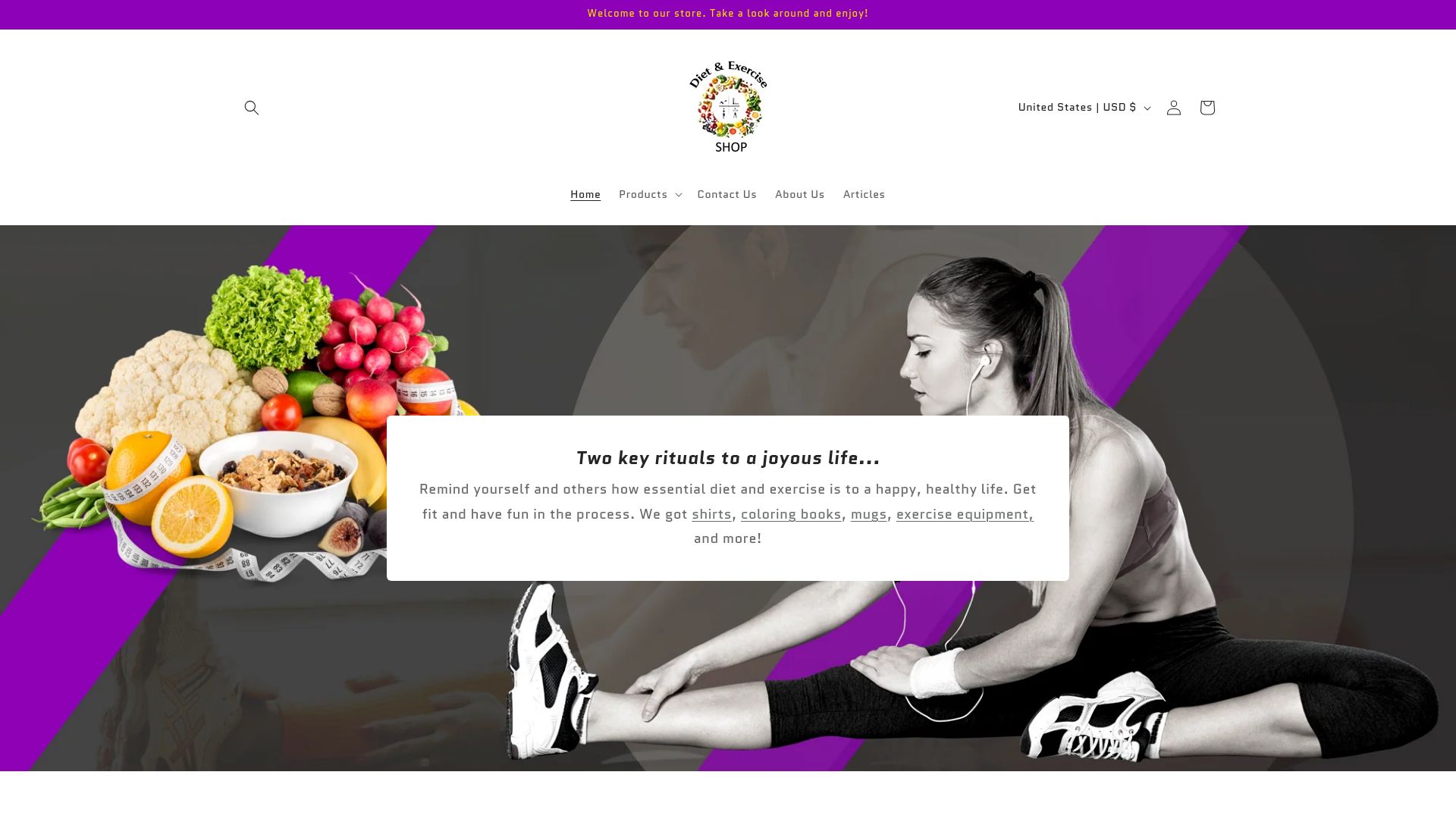
For training days, our NEVER SETTLE ALWAYS STRIVE T-shirt and TRUST THE PROCESS T-shirt make solid gifts for anyone building a consistent routine. Browse the full lineup and find what fits your goals.
FAQ
Is hydrolyzed protein better than isolate?
Not for most people. Research shows hydrolysate absorbs faster in the first hour, but meta-analyses on anabolic outcomes find no consistent advantage in muscle protein synthesis or lean mass once protein and leucine intake are matched between the two forms.
Is whey isolate safe for kidney health?
Yes, for healthy adults at typical intake levels. The NIH Office of Dietary Supplements notes no kidney safety concerns for healthy athletes consuming protein within standard supplementation ranges, though people with existing kidney conditions should follow guidance specific to their situation.
What is the healthiest form of whey protein?
There’s no single “healthiest” form since isolate, hydrolysate, and concentrate all come from the same source protein. Isolate often suits the most people well because it’s low in lactose, high in protein per scoop, and more budget-friendly than hydrolysate for a comparable muscle-building effect.
Does elite athlete use of whey protein tell us anything useful?
Individual athlete habits aren’t a reliable guide for your own supplement choice, since sponsorship deals and personal preference drive those decisions more than published research. Your best approach is matching your daily protein and leucine targets to your training volume and body weight, regardless of what any single athlete reportedly uses.
Sources
- Whey Hydrolysate vs Isolate vs Concentrate: Absorption kinetics and practical choice
- Dietary Supplements for Exercise and Athletic Performance - Health Professional Fact Sheet (ODS/NIH)